Stories
ASI Conducts GPR Survey at Ujjains Vaishya Tekri Ahead of Excavation
N
News18•10-10-2026, 15:55
ASI Conducts GPR Survey at Ujjains Vaishya Tekri Ahead of Excavation
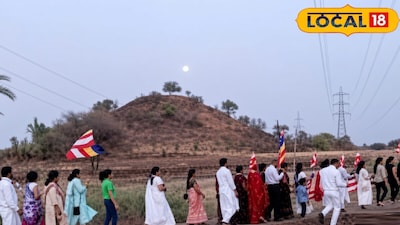
- •A joint team of ASI, State Department of Archaeology, and MANIT conducted a GPR survey at Vaishya Tekri in Ujjain to detect underground structures before excavation.
- •The site is being explored after 90 years, as previous work was halted due to toxic gas leakage and laborers fainting during the 1938-39 excavation.
- •Vaishya Tekri is linked to Buddhism and the Maurya period, with 1938-39 reports suggesting it could be the largest stupa in India, surpassing the Sanchi Stupa.
- •Madhya Pradesh Chief Minister Mohan Yadav is keenly interested in reviving the archaeological exploration and taking the project forward.
- •Ground-Penetrating Radar technology uses high-frequency radio waves to map subsurface soil layers and anomalies without disrupting the ground.
Key Questions Answered
Vaishya Tekri is an ancient historical site in Ujjain associated with Buddhism. According to historical reports from 1938-39, it is speculated to be potentially the largest Buddhist stupa in India, dating back to the Maurya period around the 3rd century BCE.
Excavation work at Vaishya Tekri was halted nine decades ago after several laborers suddenly fainted due to a toxic gas leak that occurred during the digging process.
A joint team used Ground-Penetrating Radar technology to detect underground structures and analyze subsurface conditions before starting new excavations at the site.