Stories
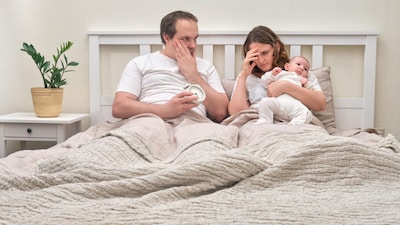
Postpartum Resentment: Why New Moms Feel Hatred Towards Husbands? 6 Key Reasons.

- •Many new mothers experience resentment or even hatred towards their husbands, often stemming from sleep deprivation, overwhelming responsibilities, and lack of emotional support.
- •Feeling solely responsible for childcare, from feeding to doctor's appointments, can lead to resentment if the husband's life seems unchanged.
- •Chronic sleep deprivation and constant fatigue severely impact mood, patience, and emotional balance, making even minor oversights by the husband feel significant.
- •Loss of personal time and the husband's continued social life can create feelings of inequality and isolation for the new mother.
- •Lack of emotional support from the husband, beyond practical help, can lead to accumulated grievances when simple gestures of care are missing.
- •Postpartum body changes and decreased self-confidence require increased love and sensitivity from the husband; a perceived lack can foster emotional distance.
- •Communication often narrows to child-related topics, reducing personal connection and making couples feel more like co-parents than partners.
Key Questions Answered
Resentment often stems from factors like chronic sleep deprivation, continuous childcare responsibilities, a lack of personal time, physical changes, and a lack of emotional support or open communication from the husband rather than a true loss of love.
The six major reasons include feeling burdened with all childcare and household tasks alone, severe lack of sleep and fatigue, loss of personal time, lack of emotional support and appreciation, changes in body and self-confidence, and reduced personal communication.
Couples can cope by talking openly without blame, sharing childcare duties fairly, ensuring the mother gets regular rest and personal time, nurturing their relationship, and seeking help from a mental health professional if extreme irritability or detachment persists.