Stories
Discover How Navratri is Celebrated Across South India
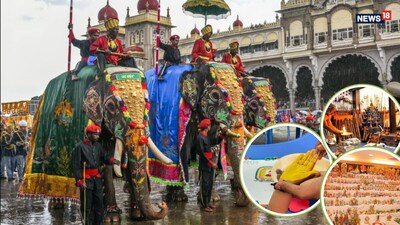
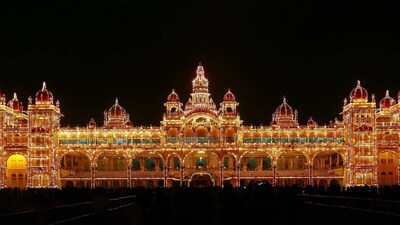
- •Mysore Dasara, known as Nada Habba in Karnataka, features a historic 400-year-old royal tradition with a grand elephant procession and stunning palace illumination.
- •The Golu or Bommai Kolu festival in Tamil Nadu, Karnataka, and Andhra Pradesh showcases step-by-step doll arrangements depicting mythological stories and fosters social bonding.
- •Ayudha Puja and Saraswati Puja during the final days of Navratri involve worshipping books, tools, instruments, and vehicles as a sign of gratitude for livelihood.
- •Kerala marks Vijayadashami with the sacred Vidyarambham ritual, where young children formally begin their education by writing their first letters.
Key Questions Answered
Mysore Dasara, known as 'Nada Habba', is a 400-year-old royal tradition originating from the Vijayanagara Empire. During the nine days, the city and the historic Mysore Palace are brilliantly illuminated. The celebration culminates on Vijayadashami with the grand 'Jumbo Savari' procession, featuring the golden idol of Goddess Chamundeshwari seated on decorated elephants traveling from Mysore Palace to Bannimantap.
The 'Golu' or 'Bommai Kolu' festival is a major attraction in homes across Tamil Nadu, Karnataka, and Andhra Pradesh. Families arrange 3, 5, 7, 9 or more steps using wooden or steel planks to display clay, wood, and terracotta dolls depicting deities, saints, and mythological episodes from the Ramayana or Mahabharata. It serves as a social bridge where women and children exchange visits, sing bhajans, and share traditional gifts and Prasad.
On Maha Ashtami and Mahanavami, Ayudha Puja is performed to clean and worship musical instruments, books, computers, and everyday vehicles or tools, expressing gratitude for the means of livelihood. In Kerala, Navratri concludes on Vijayadashami with 'Vidyarambham', a sacred ritual where toddlers aged 2 to 3 formally begin their education by writing 'Om Hari Sri Ganapathaye Namah' on a plate of rice or sand.