Stories
Collagen vs. Retinol: Which is Best for Wrinkles and Fine Lines? Understand the Difference
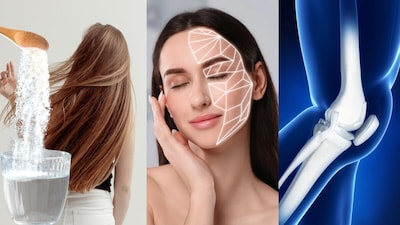
- •As we age, skin changes like fine lines, wrinkles, dryness, and sagging increase, a natural process that can be slowed with skincare.
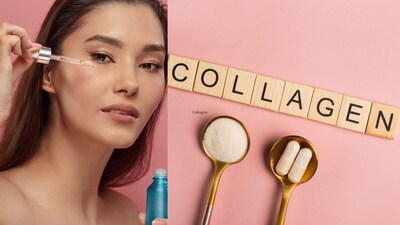
- •Collagen is a structural protein providing skin strength and elasticity; oral supplements support production, but topical creams primarily moisturize.
- •Retinol, a form of Vitamin A, converts to retinoic acid on skin, promoting new cell formation, collagen production, and addressing wrinkles, acne, and pigmentation.
- •Collagen is mainly taken as a supplement for hydration and elasticity, while retinol is applied topically, working directly on skin cells.
- •Experts often prioritize retinol for wrinkles and fine lines, and it's effective for acne, but consultation with a skin expert is advised, especially for sensitive skin or during pregnancy.
Key Questions Answered
Collagen is a structural protein primarily taken as a supplement or used in creams to support skin hydration, elasticity, and moisturization. In contrast, retinol is a Vitamin A derivative applied topically that converts into retinoic acid, working directly on skin cells to promote cell renewal, remove dead cells, and stimulate natural collagen production.
Retinol proves more effective in dealing with wrinkles and fine lines. While both help keep the skin youthful, experts generally prioritize retinol when choosing between the two, though it can initially cause dryness or irritation.
No, retinol is advised against during pregnancy or when trying to conceive. Additionally, because it can cause initial dryness or irritation, individuals with sensitive skin should consult a skin expert before starting retinol.