Stories
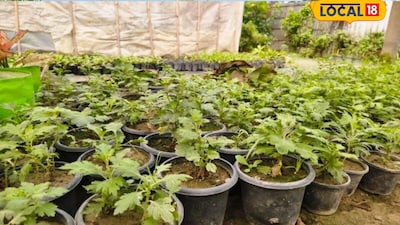
Bushy Plant, No Flowers? Focus on Roots for Abundant Blooms.
- •Simply increasing water or fertilizer isn't always the solution when a plant is bushy but lacks flowers; leafy growth and flowering have different needs.
- •Pot size, soil quality, root condition, and fertilizer balance all impact flowering.
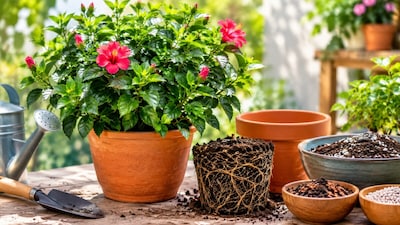
- •Over time, soil in the same pot can weaken, and roots can become 'root-bound,' filling the entire pot.
- •Nitrogen aids green growth, while phosphorus and potash are crucial for flower development; use balanced fertilizer.
- •When repotting, inspect roots, lightly prune damaged ones, use an appropriately sized pot, and prepare a better soil mix.
Key Questions Answered
When a plant grows green and bushy for months without flowering, it often means the soil has weakened, and the plant is channeling its energy into growing new leaves and branches rather than forming buds. Issues like incorrect fertilizer balance, pot size, or root conditions also affect flowering.
A root-bound condition occurs when a plant's roots grow all around inside the pot and occupy the entire space, leaving no room below. In this state, the soil can dry out quickly, and the plant may suffer despite regular watering.
When repotting, make a balanced soil mix containing regular soil, organic fertilizer, and suitable material for proper water drainage. Many home gardening setups use vermicompost and coco peat, while some also incorporate neem cake for soil care.