Stories
Siuri's Surendra Thakur Puja: Durga-Kali Worshipped Together, Panta Bhat on Ekadashi!
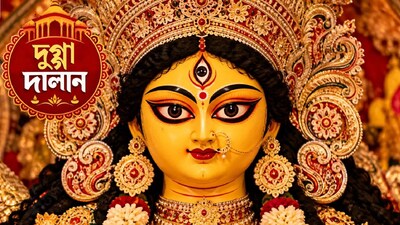
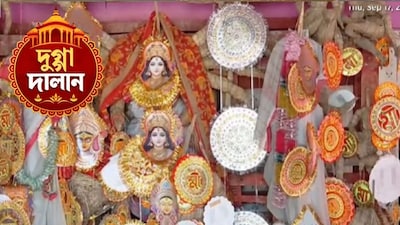
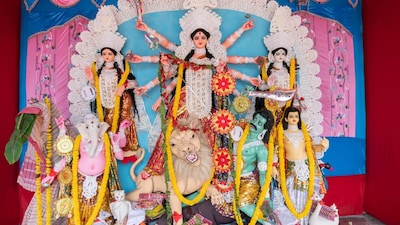
- •Surendra Thakur's Puja in Siuri uniquely worships Durga and Kali together on the same altar, a tradition carried on for generations.
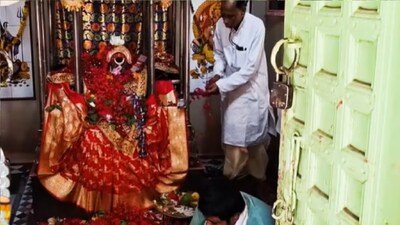
- •On Ekadashi, a special offering of panta bhat (fermented rice) and burnt chili is made to Maa Durga as a farewell ritual.
- •The puja originated in Bangladesh and was brought to Siuri by Harihar Chakraborty after partition, later becoming known as Surendra Thakur's Puja.
- •Kali Puja is performed on Saptami night alongside Durga, and the old Durga idol remains in the temple year-round, with a new idol arriving on Panchami.
- •Both old and new Durga idols are present for a few days, and on Ekadashi, both receive panta bhat and burnt chili before the old idol is immersed.
Key Questions Answered
Surendra Thakur's puja features the simultaneous worship of Goddess Durga and Goddess Kali on the same altar, a practice that continues from Saptami. Additionally, on Ekadashi, both the old and new Durga idols are offered panta bhat (fermented rice) and burnt chili before the old idol is immersed.
The puja originally began in Brahmanbaria, Bangladesh, founded by Harihar Chakraborty. During times of unrest, he moved to India, spent time in Kamakhya, and eventually settled in Siuri where he restarted the puja on jungle land provided by a zamindar.
Maa Durga stays in the temple all year round. A new idol arrives on Panchami, and after the puja on Shashthi, a thread from the old idol's hand is tied to the new one so they stay side by side for a few days before the old idol is immersed on Ekadashi.