Stories
Cooch Behar Boro Devi Puja: 500-Year-Old Tradition of Wooden Invocation
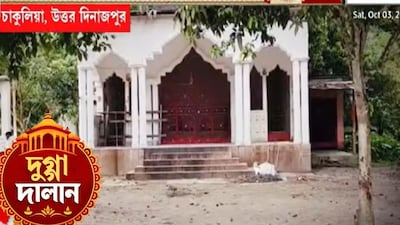
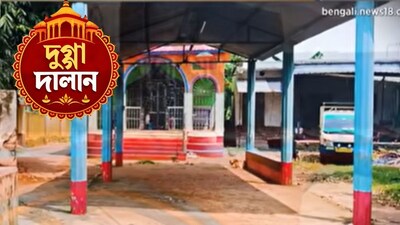
- •At the Dangrai Temple in Gunjabari, Cooch Behar, moyna wood is worshipped with strict rituals on Shukla Ashtami.
- •This 500-year-old royal era tradition involves invoking the Mother in a wooden form before the clay idol is created.
- •Following rituals and prayers, the wooden form is taken to Madanmohan Bari for daily worship for a month.
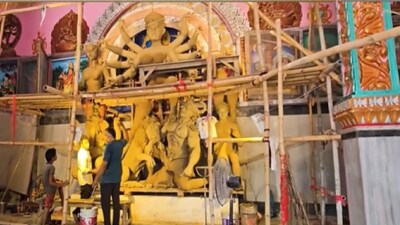
- •On Radhashtami, the moyna wood returns to the Boro Devi Temple to form the foundation for the clay idol.
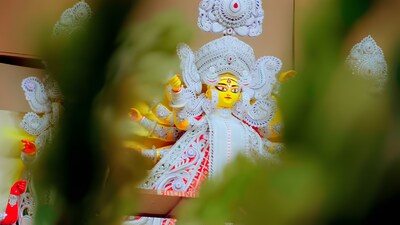
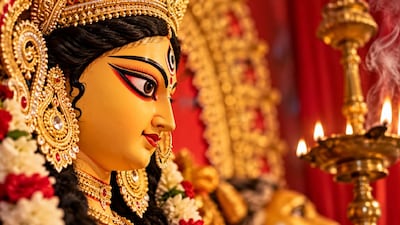
- •Boro Devi's idol is uniquely deep red in color, accompanied by Jaya and Vijaya, with both a tiger and a lion as mounts.
Key Questions Answered
In Cooch Behar's 500-year-old royal Durga Puja tradition managed by the Debottar Trust Board, the Goddess is initially invoked and worshipped inside a piece of moyna wood rather than a clay body on Shukla Ashtami at the Dangrai Temple. The wooden form is later taken to Madanmohan Bari for a month of daily worship before returning on Radhashtami to form the basis of the clay idol.
The Boro Devi idol features a distinct crimson-red skin color and is flanked by statues of Jaya and Vijaya. Unlike conventional depictions where the Goddess rides a lion, Boro Devi's divine mount is a tiger.
Following its worship with strict rituals, a grand bath, and a pigeon sacrifice at the Dangrai Temple, the moyna wood travels in the evening to Madanmohan Bari where it receives daily worship for a month.