Stories
West Bengal Name Change: Passing Assembly Is Not Enough, A Lengthy Process Involved
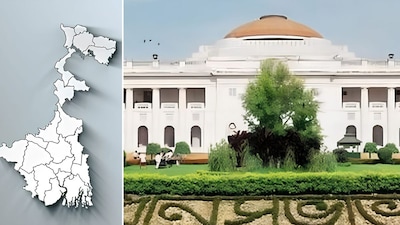
- •The state government is set to introduce a resolution in the Assembly to change the English name of the state from West Bengal to Paschimanga.
- •According to Article 3 of the Indian Constitution, the ultimate power to change a state name rests with Parliament, not the state Assembly.
- •Once the resolution passes, the Union Ministry of Home Affairs will examine the proposal and seek clearances from various central departments like Railways and Postal.
- •A bill for the name change will then be introduced in Parliament with the President's recommendation after receiving positive feedback.
- •The bill must be passed by a simple majority in both the Lok Sabha and Rajya Sabha and receive presidential assent to officially amend the First Schedule of the Constitution.
Key Questions Answered
The state government is preparing to introduce a resolution in the Assembly to officially change the English name of the state from "West Bengal" to "Paschimanga".
According to Article 3 of the Constitution, the state sends a proposal to the Centre, where the Home Affairs Ministry examines it and gathers departmental clearances. Following positive feedback, a bill is introduced with the President's recommendation, sent to the state assembly for its advisory views, and finally must be passed by a simple majority in both houses of Parliament before receiving presidential assent.
No, although the Mamata Banerjee government previously passed a resolution to name the state "Bangla" across all languages and sent it to the Centre, the central government ultimately did not approve that proposal.