Stories
What was China's Long March? The 90-year-old journey behind Xi Jinping's power today
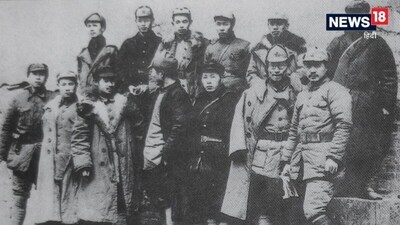
- •China is celebrating the 90th anniversary of the Long March, a historic military campaign from 1934 that saved the communist army from destruction and enabled today's communist rule.
- •Facing defeat by the nationalist Kuomintang forces led by Chiang Kai-shek, the Red Army broke the siege and embarked on a grueling 9,600 to 12,500 km journey across rugged terrain.
- •Out of 86,000 people who started the march in October 1934, heavy casualties reduced the survivors to just 30,000 after crossing the Xiang River.
- •During the 1935 Zunyi Conference, Mao Zedong's influence grew as the party adopted guerrilla warfare tactics, ultimately leading to the founding of the People's Republic of China in 1949.
- •To mark the 90th anniversary, Beijing has opened military museums with classified documents, released AI-based documentaries, and named space rockets after the Long March.
Key Questions Answered
The Long March was a massive military campaign and journey undertaken by China's communist Red Army from 1934 to 1936 to escape the nationalist army's siege. Covering thousands of kilometers, the historic trek preserved the Communist Party's political legacy and ultimately enabled them to establish the People's Republic of China.
China is celebrating the 90th anniversary by opening Beijing's military museums to display over 5,000 classified documents, files, telegrams, and strategic maps for the first time. Additionally, the country has released an AI-based documentary for the youth and named space mission rockets 'Long March' to keep the history alive.
During a 1935 party meeting in Zunyi amid the Long March, discontent over heavy losses led to questions about existing leadership strategies. This allowed Mao Zedong's influence to grow as he introduced successful guerrilla warfare tactics, strengthening his stature and setting the stage for his future leadership.