Stories
How India Can Solve Its Traffic Jam Crisis Using South Korea's Strategy
- •A recent National Household Travel Survey reveals that only 9 percent of commuters in India use major public transit like buses, trains, and metros.
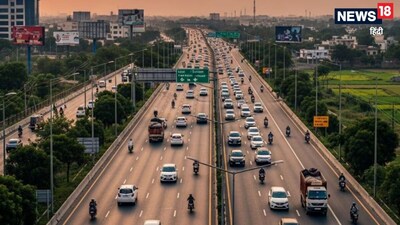
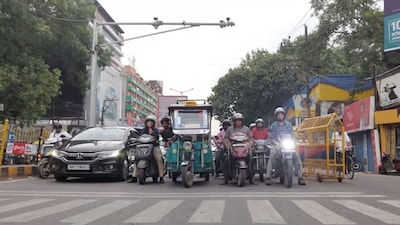
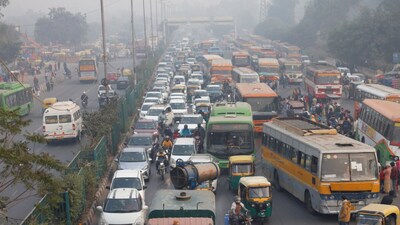
- •Private vehicles dominate commutes, with 46 percent of people traveling by scooter, bike, or car, leading to severe congestion despite new road construction.
- •South Korea faced a similar gridlock crisis in Seoul during the 1990s, where private vehicles made up 72 percent of traffic.
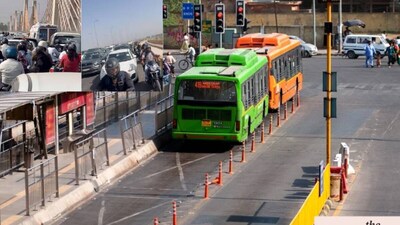
- •Seoul resolved its traffic issues by demolishing a major downtown expressway, restoring a river, and heavily investing in dedicated bus lanes and integrated public transit.
Key Questions Answered
According to the National Household Travel Survey (NHTS) conducted between July 2025 and June 2026, 46% of people in India commute to work in their own vehicles, which includes 43% traveling by scooter or bike and 3% commuting in their own cars.
Seoul stopped building new flyovers and even tore down a 6-lane elevated expressway built over its central river. The city created dedicated bus corridors, heavily invested in expanding its bus and metro fleets with mini-buses for neighborhood connectivity, and introduced a unified point-to-point ticketing system for seamless multi-modal travel.
The Barapullah Flyover Phase-3, which took 12 years to construct, opened to the public aiming to cut travel time down to 20 minutes. However, it now takes over an hour to cross because roads from three directions converge at a single spot, causing severe traffic jams and forcing traffic police to recommend alternative routes.