Stories
Global Sperm Count Is Declining Rapidly: Will It Become Harder to Become a Father?
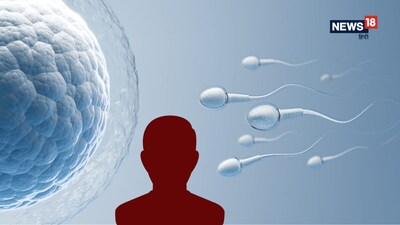
- •Data shows that global sperm counts have dropped by 51 percent since 1973, with recent reviews indicating an acceleration in this decline.
- •Urologist Dr. Jamin Brahmbhatt explains that while the figures are a warning, they do not mean half the world's men have become infertile or that reproductive capacity is facing extinction.
- •Sperm quality is not just about fertility but also serves as an indicator of a man's overall health, linking to conditions like obesity, diabetes, and metabolic syndrome.
- •Lifestyle factors such as lack of sleep, stress, heatwave exposure, alcohol, and smoking can negatively impact sperm production and semen quality.
- •Adopting a healthy Mediterranean diet, exercising regularly, and managing sleep can help improve sperm quality, with improvements typically visible after a three-month follow-up test.
Key Questions Answered
Data shows that since 1973, the global sperm count has dropped by 51 percent. Furthermore, a 2022 study analyzing over 223 studies found that average sperm concentration dropped by about 51.6% and total sperm count dropped by about 62.3% through 2018.
Research indicates that obesity, diabetes, metabolic syndrome, and stress are linked to poor semen quality and sperm DNA damage. Additionally, habits such as smoking, alcohol and tobacco use, sleeping fewer than six hours nightly, and exposure to heatwaves can negatively impact sperm concentration and count.
Sperm concentration refers to how many sperm are present in one milliliter of semen. In contrast, total sperm count refers to the entire number of sperm present in the full volume of semen released during a single ejaculation.