Stories
Disappearing Y Chromosome: Is This Biological Change Increasing Cancer Risk in Men?
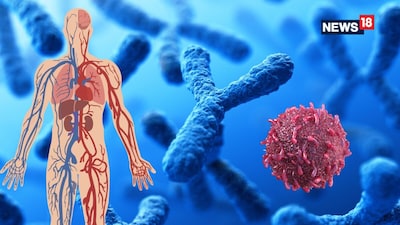
- •Scientists have found that the gradual disappearance of the Y chromosome from some cells in men as they age can create an environment conducive to cancer development.
- •Researchers at the University of Arizona analyzed nearly 1,000 tissue samples from 405 men, including samples from 11 major human organs.
- •The study revealed that the loss of the Y chromosome was not only present in cancer cells but was also often found in tissues that appeared completely normal.
- •A greater loss of the Y chromosome was observed in tissues surrounding colon, rectal, esophageal, pancreatic, and lung cancers.
- •This discovery could be significant for improving the accuracy of early cancer detection and screening, as it may help identify high-risk areas for cancer.
Key Questions Answered
As men age, some cells in the body begin to lose the Y chromosome, a scientifically known phenomenon called Loss of Y Chromosome or LOY. This occurs frequently in blood and tissue cells, especially in men over 65, and its likelihood increases with age.
University of Arizona researchers discovered that the loss of the Y chromosome can create a conducive environment for cancer development and is often found in normal-appearing tissues surrounding tumors. This internal genetic change might indicate that cancer formation processes have already begun before visible signs appear.
The study found a greater loss of the Y chromosome particularly in tissues surrounding colorectal, rectal, esophageal, pancreatic, and lung cancers. These findings could eventually help improve the accuracy of cancer screening and early biopsies.