Stories
Ancient Chola City Found Underwater After 12,000 Years, Revealing Maritime Dominance!
- •An ancient city founded by the Chola dynasty, submerged due to tsunamis and coastal erosion, has resurfaced in discussions.
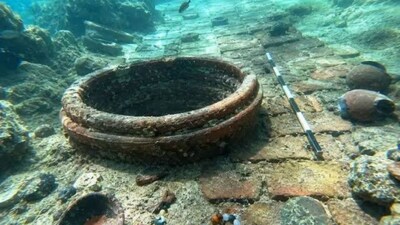
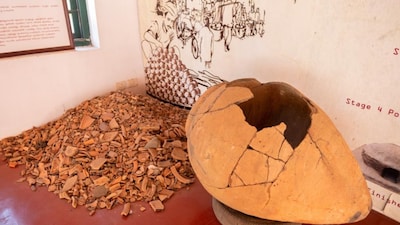
- •A team from the Tamil Nadu Department of Archaeology found over 200 pottery fragments and images of ancient structures during a two-week underwater search in the Bay of Bengal.
- •Archaeologists and geologists believe this 3rd-century BCE city gradually sank due to a terrible tsunami and continuous coastal erosion.
- •The Chola dynasty, ruling South India from the 9th to 13th century, was renowned for its magnificent navy, conquering Sri Lanka, Maldives, and parts of Southeast Asia.
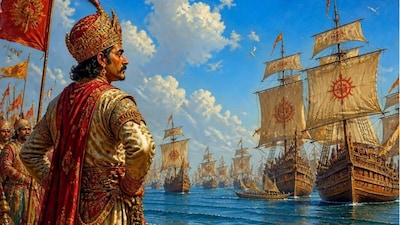
- •Under Emperor Rajendra Chola, the Cholas launched a 3,000 km naval expedition to attack the Srivijaya Empire in Indonesia, breaking their control over trade routes in the Strait of Malacca.
Key Questions Answered
A team from the Tamil Nadu Department of Archaeology conducted an intensive two-week underwater search in the Bay of Bengal and discovered more than 200 pottery fragments, ancient structure images, and 'torpedo jars' used for transporting goods in the Persian Gulf trade network.
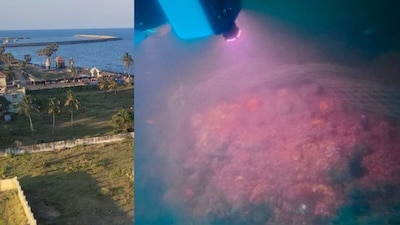
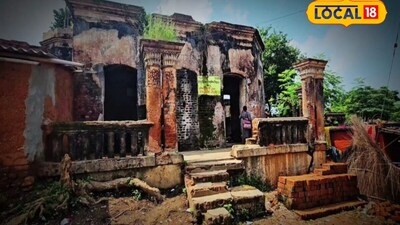
Archaeologists and geologists believe that the ancient city from the third century BCE gradually sank due to a terrible tsunami and continuous coastal erosion. For example, the Ellaiamman Temple of Vanagiri was still in use until 1991, but today it rests 100 meters inside the sea water from the coast.
Emperor Rajendra Chola led a fleet of more than 60 warships across the Bay of Bengal to challenge the Srivijaya Empire's dominance over the Strait of Malacca. Because Srivijaya controlled the crucial sea routes and vital ports needed for trading with Song dynasty China, the Cholas wanted to break that hold and successfully did so.