Stories
Flydubai Incident: How Did Omani Pilot Get Clearance Despite UAE Warning? Israel's Security Questioned
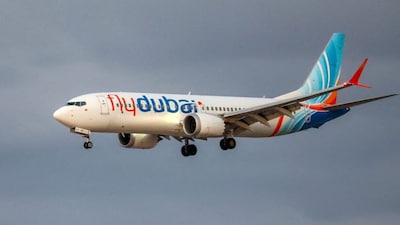
- •Investigation into Flydubai's mid-air emergency reveals security lapses, raising questions about pre-flight checks.
- •UAE shared the crew list with Israel, yet Omani co-pilot Hamam Al-Hammami, with a concerning past, was cleared to fly to Tel Aviv.
- •Al-Hammami was banned from flying in Oman due to suspected links to extremist ideologies, making his clearance for an Israeli flight puzzling.
- •The co-pilot attacked Indian Captain Smit Machhar with a 'crash axe' in the cockpit, attempting to seize control in what was deemed a 'terrorist attack'.
- •Conflicting statements from Israel's Shin Bet and Ministry of Transport regarding passenger list verification and security warnings highlight systemic issues.
Key Questions Answered
Despite Oman having previously banned Hamam Al-Hammami from flying over extremist ideology concerns, he boarded the Dubai-Tel Aviv flight without hindrance. Although the UAE shared crew lists with Israel before departure, Israeli officials claimed they received no warnings, while Shin Bet noted the Ministry of Transport handles passenger verification.
Indian Captain Smit Machhar was attacked inside the cockpit with a crash axe by the Omani co-pilot during the flight. Captain Machhar managed to open the cockpit door so that passengers could subdue the attacker, later recounting the terrifying experience to Benjamin Netanyahu.
The Flydubai flight traveling from Dubai to Tel Aviv initially broadcast 'squawk code 7700' to signal a serious mid-air emergency. Shortly after, the aircraft transmitted 'code 7500', which is typically used in situations involving aircraft hijacking or unlawful interference.