Stories
Maharashtra CEO Demands More Power for Local Staff in Electoral Roll Revision

- •Maharashtra CEO S Chockalingam requested four changes to the ECINet software to grant Electoral Registration Officers (EROs) more discretion.
- •The requests aim to allow EROs to decide on hearing requirements, accept diverse documents, and resolve certain "logical discrepancies" themselves.
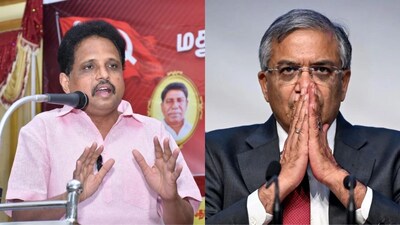
- •These concerns echo those previously raised by Election Commissioners Sukhbir Singh Sandhu and Vivek Joshi regarding the software curtailing ERO powers.
- •"Logical discrepancies" refer to mismatches flagged by ECINet, not ineligibility, such as name or age inconsistencies with previous rolls.
- •The EC has since issued a statement partly addressing the Maharashtra CEO's requests and other concerns raised by the Election Commissioners.
Key Questions Answered
Maharashtra CEO S Chockalingam wrote to the Election Commission requesting four changes to the ECINet software to restore statutory discretion to Electoral Registration Officers (EROs). His requests included allowing EROs to waive hearings for valid document submissions, expanding document options to include equivalent files for vulnerable communities, letting EROs independently resolve certain discrepancy cases, and making the upload of the last SIR extract optional.
A logical discrepancy refers to a mismatch flagged by the ECINET software when trying to link an elector with a parent or grandparent listed in the previous SIR roll. These mismatches include name discrepancies, parent-child age gaps under 15 or over 50 years, inconsistent age progression between rolls, or cases where only an Aadhaar card or no document was submitted. Such a flag does not mean an elector is ineligible to vote.
The Maharashtra CEO stated that the draft roll published under the first phase of SIR-2026 should not be compared with previous final lists because the revision process is still ongoing and drawing conclusions could cause misunderstandings. The initial phase focused on verifying whether voters resided at their provided addresses, meaning individuals not found at those locations were excluded from the draft roll.