Stories
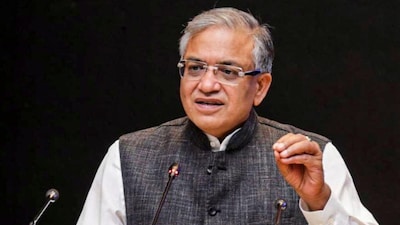
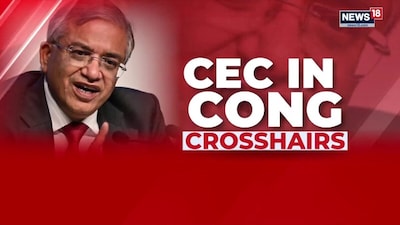
Keralam Orders Vigilance Probe Against CEC Gyanesh Kumar Over 2006 Case

- •Keralam Home Minister Ramesh Chennithala ordered a Vigilance probe against Chief Election Commissioner (CEC) Gyanesh Kumar regarding alleged irregularities during his 2006 tenure as PWD Secretary.
- •The investigation stems from the alleged suicide of Malaysian engineer Lee See Been, whose note reportedly named Gyanesh Kumar.
- •The new probe addresses allegations that the original 2006 inquiry was derailed due to external pressure, with the Home Department seeking all relevant files.
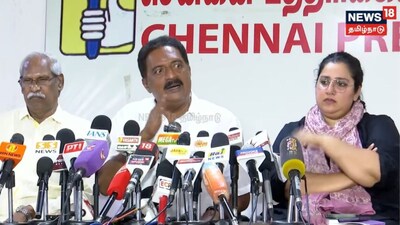
- •Senior Congress leader P Chidambaram urged Chief Electoral Officers to clarify directives received during the Special Intensive Revision (SIR) exercise, calling the process illegal.
- •Opposition parties are intensifying their campaign against Gyanesh Kumar, planning protests and a major rally, following reports of dissent among Election Commissioners regarding electoral roll decisions.
Key Questions Answered
Keralam Home Minister Ramesh Chennithala ordered a Vigilance and Anti-Corruption Bureau investigation against CEC Gyanesh Kumar over alleged irregularities and claims that a 2006 preliminary inquiry was derailed due to external pressure. The 2006 case involves the alleged death by suicide of Malaysian civil engineer Lee See Been, whose suicide note reportedly named Kumar, who was then the state PWD Secretary.
Senior Congress leader P Chidambaram urged Chief Electoral Officers across various states to publicly clarify the instructions they received, when they got them, and how they complied with the Special Intensive Revision exercise. He called on them to speak out about whether they pointed out illegalities in the SIR process and if the Election Commission overruled them.
A report stated that Election Commissioners Sukhbir Singh Sandhu and Vivek Joshi formally recorded objections on at least 14 occasions over 10 months concerning electoral rolls, voter registration, and technology systems. However, the Election Commission of India rejected claims of institutional dissent, stating that operational inputs and suggestions during draft stages are standard practice and final decisions were unanimous.