Stories
Kashmir Princess Bomb Plot: How it Shaped R.N. Kao, R&AW's Founding Chief
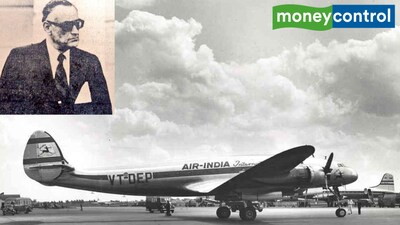
- •In 1955, an Air India Constellation, the Kashmir Princess, crashed due to a bomb, killing 16; Chinese Premier Zhou Enlai, the suspected target, was not aboard.
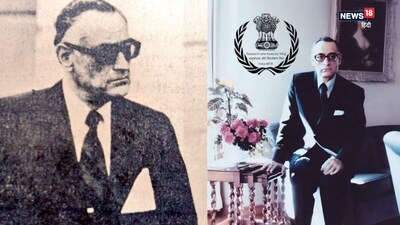
- •Rameshwar Nath Kao, then an unknown Intelligence Bureau officer, led the complex international investigation into the bombing.
- •The inquiry suspected a timed explosive planted by an airport worker, linking the plot to Taiwan's Kuomintang government.
- •This overseas assignment was Kao's first, exposing him to cross-border intelligence work and establishing his international standing.
- •Thirteen years later, Kao became the founding chief of India's external intelligence agency, the Research and Analysis Wing (R&AW), established in 1968.
Key Questions Answered
The Kashmir Princess was an Air India Constellation aircraft that crashed into the South China Sea on April 11, 1955, after a bomb exploded on board. The flight was carrying Chinese officials and journalists to the Bandung Conference in Indonesia, and the intended target of the bombing was believed to be Chinese premier Zhou Enlai, who changed his travel plans and was not on board.
Rameshwar Nath Kao, an Intelligence Bureau officer at the time, was sent to help investigate the attack in his first overseas intelligence assignment. Working across multiple jurisdictions with foreign authorities, the high-profile inquiry helped establish his international standing and prepared him for cross-border intelligence work before he became the founding chief of R&AW.
R&AW was established on September 21, 1968, with Rameshwar Nath Kao as its first chief. The agency was created after gaps in India's foreign intelligence system were exposed by the 1962 war with China and the 1965 war with Pakistan, prompting Prime Minister Indira Gandhi and her principal secretary P.N. Haksar to design a service separate from the Intelligence Bureau.