Stories
Vande Mataram vs. Jana Gana Mana: India's National Status Debate Rekindled
- •A recent law granting Vande Mataram the same statutory protection as Jana Gana Mana has sparked a political controversy between BJP and Congress.
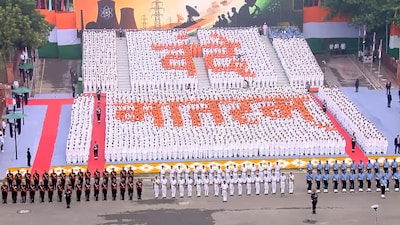
- •The debate resurfaces as 2026 marks 150 years of Vande Mataram, which was sung at the Red Fort before the National Anthem this Independence Day.
- •Vande Mataram, a powerful symbol of the freedom struggle, was not chosen as the National Anthem due to concerns over religious imagery in later verses and its portrayal of Muslims in Anandamath.
- •In 1937, the Congress Working Committee approved only the first two stanzas of Vande Mataram for national gatherings, avoiding controversial religious references.
- •On January 24, 1950, the Constituent Assembly declared Jana Gana Mana as the National Anthem, while Vande Mataram was given equal honor and status as the National Song, distinguishing their formal roles.
Key Questions Answered
Vande Mataram now has the same legal protections as the national anthem, Jana Gana Mana. This means that intentionally obstructing its singing is a punishable offence. The Prevention of Insults to National Honour Act of 1971 has been amended to include these protections.
The Indian government has issued guidelines stating that all six stanzas of Vande Mataram must be rendered first when the National Song and National Anthem are performed together, particularly on key state occasions. The Prevention of Insults to National Honour (Amendment) Bill, 2026, which gives Vande Mataram legal status equal to the national anthem, also proposes that the directive for all six stanzas to be sung will become mandatory through the amended law.
The change means that "Vande Mataram" will now be played before the Prime Minister's speech and the National Anthem at Independence Day celebrations at the Red Fort.