Stories
Jairam Ramesh Demands CEC Gyanesh Kumar's Resignation After SC Judge's Remarks
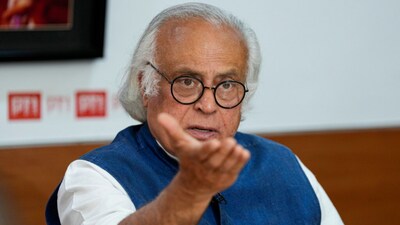
- •Congress leader Jairam Ramesh called for the immediate resignation of Chief Election Commissioner (CEC) Gyanesh Kumar, citing Supreme Court Justice Ujjal Bhuyan's comments on voter disenfranchisement.
- •Justice Bhuyan stated that any process leading to the disenfranchisement of millions of citizens, making them "second-class citizens" without voting rights, is "intrinsically arbitrary."
- •Ramesh alleged that the CEC has become a "liability for the country" and is executing "illegal orders," following Justice Bhuyan's address at NALSAR University.
- •The controversy surrounds the Election Commission of India (ECI) and Special Intensive Revision (SIR) of electoral rolls, with opposition parties demanding Kumar's resignation.
- •The Indian Youth Congress also staged a protest march against Gyanesh Kumar, accusing the Central government of shielding him and demanding his immediate removal.
Key Questions Answered
Senior Congress leader Jairam Ramesh demanded the immediate resignation of Chief Election Commissioner Gyanesh Kumar following Supreme Court judge Justice Ujjal Bhuyan's address criticising processes that lead to the arbitrary disenfranchisement of millions of citizens. Ramesh alleged that the poll chief was executing illegal orders and had become a liability for the country.
While speaking at the 19th NALSAR BRS Moot Court Competition in Hyderabad, Justice Ujjal Bhuyan stated that any procedure resulting in the disenfranchisement of millions of Indian citizens and stripping them of their voting rights is intrinsically arbitrary. He emphasized that such processes strike at the very heart of the Constitution and cannot be justified by any amount of whataboutery.
According to a report, Election Commissioners Sukhbir Singh Sandhu and Vivek Joshi formally objected on at least 14 occasions over a 10-month period concerning decisions on electoral rolls, voter registration, and the Commission's technology systems. However, the Election Commission rejected suggestions that these reported objections constituted institutional dissent over final decisions.