Stories
India's Freshwater Crisis Deepens: WMO Flags Persistent Deficits in Northwest

- •The World Meteorological Organization (WMO) report reveals persistent groundwater deficits and below-normal terrestrial water storage in India's northwest and northern regions from 2022-2025.
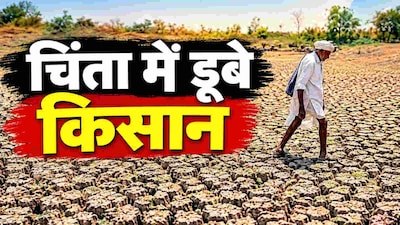
- •Northwestern India's agricultural belt, heavily reliant on groundwater for irrigation (62% of India's irrigation), faces cumulative depletion, not just a temporary fall in water levels.
- •The Central Ground Water Board (CGWB) classified 736 of 6,553 groundwater assessment units as over-exploited in 2023, highlighting severe pressure on the resource.
- •Globally, terrestrial water storage has been declining since 2014-2016, with groundwater, glaciers, and snowpack — the planet's 'savings account' — being depleted, impacting long-term water security.
- •The WMO report emphasizes that the global water cycle is becoming more variable, with unpredictable river flows and glacier retreat, posing significant challenges for India's water system beyond agriculture, affecting drinking water and industry.
Key Questions Answered
The World Meteorological Organization's State of Global Water Resources 2025 report revealed persistent and widespread below-normal to much-below-normal groundwater levels across northwestern India between 2022 and 2025, indicating cumulative depletion and a multi-year drying trend.
According to the Central Ground Water Board, groundwater contributes nearly 62% of India's irrigation, meets about 85% of rural drinking-water requirements, and provides roughly 50% of urban water needs, serving as a vital buffer when surface water and rainfall fluctuate.
During the 2025 hydrological year, global glaciers lost 408 gigatonnes of mass in their fourth consecutive year of net ice loss, with South Asia West ranking among the regions experiencing the three most negative annual glacier mass balance years on record.