Stories
Election Commission's New Procedure Triggers Surge in Voter Notices
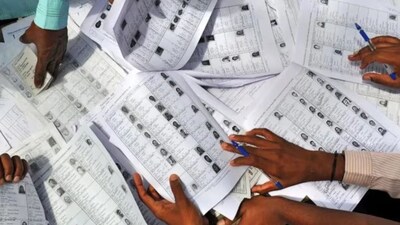
- •The high number of Special Intensive Revision (SIR) notices is due to a change in the Election Commission's procedure after its experience in Bihar.
- •Initially, electors had to submit documents, but this was changed in Phase II to avoid excluding genuine voters.
- •Now, an algorithm detects 'logical discrepancies' between new enumeration forms and previous electoral rolls, triggering notices.
- •Urban areas like Delhi are seeing more notices, partly due to less careful form filling and issues with Booth Level Officers' checks.
- •Receiving a notice doesn't mean deletion; it's an opportunity to correct information, and no elector can be excluded without a hearing.
Key Questions Answered
The high number of notices is linked to a procedural change by the Election Commission after phase one in Bihar. Instead of requiring supporting documents upfront, an algorithm now maps current enumeration details against the previous SIR roll to detect logical discrepancies, which trigger these notices.
Not necessarily. The notices provide an opportunity for electors to establish correct information and resolve discrepancies, and no voter can be excluded without a proper hearing followed by a reasoned order.
If an elector fails to return the form after three visits by the Booth Level Officer along with political party agent verification, they may be classified as absent, shifted, deceased, or duplicate. Incomplete or incorrect forms can also result in a notice being issued.