Stories
Bijoe Emmanuel Judgment Resurfaces in Vande Mataram Case: Freedom of Conscience vs. National Honour
- •The 1986 Bijoe Emmanuel v State of Kerala judgment, protecting Jehovah's Witnesses children who refused to sing the National Anthem due to religious beliefs, is now relevant in a Vande Mataram case.
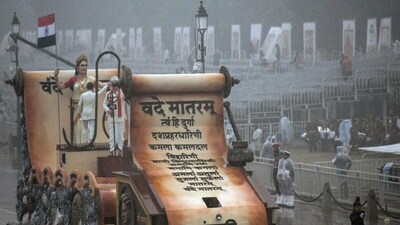
- •Carnatic vocalist TM Krishna challenges the 2026 amendment to the Prevention of Insults to National Honour Act, 1971, and MHA directions requiring the full six-stanza Vande Mataram, citing freedom of conscience.
- •The Supreme Court, in the Bijoe Emmanuel case, ruled that standing respectfully during the National Anthem, without singing, does not constitute disrespect and is protected under Articles 19(1)(a) and 25(1) (freedom of speech and religion).
- •The Court emphasized that genuine religious objections are protected, and personal views on religious beliefs are irrelevant; the children's expulsion was a violation of their fundamental rights.
- •The Bijoe Emmanuel judgment, which directed the children's readmission to school, is cited in the current Vande Mataram hearing to argue against criminal consequences for conscientious objectors refusing to sing all stanzas for religious reasons.
Key Questions Answered
In August 1986, the Supreme Court ruled that compelling students with genuine religious objections to sing the National Anthem violates Articles 19(1)(a) and 25(1). The Court established a key distinction between respecting the anthem by standing respectfully and actually joining in the singing, holding that refusing to sing does not constitute disrespect or an offence under the law if proper respect is shown by standing up.
The 1986 judgment was cited in a challenge by Carnatic vocalist TM Krishna against the 2026 amendment to the Prevention of Insults to National Honour Act, 1971, and Ministry of Home Affairs directions requiring all six stanzas of Vande Mataram to be sung at official events. The bench indicated that the legal principles protecting conscientious objectors from criminal consequences should govern the amended statute.
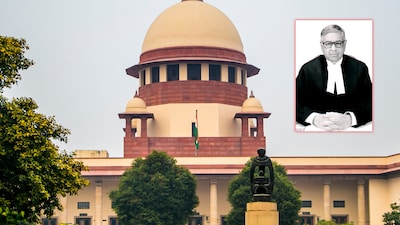
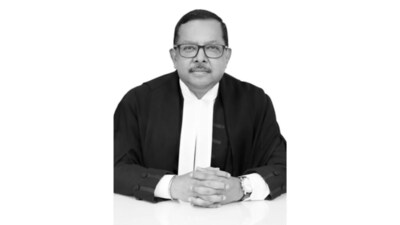
During the September 22, 2026 hearing, a bench led by Chief Justice Surya Kant and Justice Joymalya Bagchi referred to the continuing validity of Bijoe Emmanuel, stating that conscientious objectors should not face criminal penalties for refusing to sing stanzas for religious reasons. The Court ultimately issued a notice asking the Union government to respond to the petition within two weeks.