Stories
Manipur's Ancient Connection to Govardhan: Why Ashes are Immersed and a Special Item Buried Under Peepal Trees
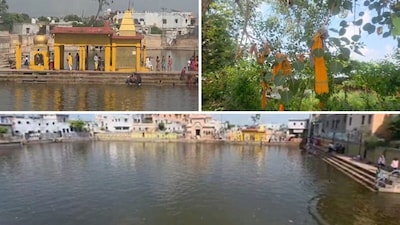
- •Manipur's Vaishnava devotees consider Radha Kund and Shiv Kund in Govardhan as primary pilgrimage sites for ancestral salvation and last rites, a tradition passed down through generations.
- •Pitru Paksha 2026 begins on September 26, with the main period from September 27 to October 10, concluding with Sarvapitru Amavasya.
- •In Manipuri society, 'Tarpo' (Tarpan) and Pind Daan are performed at Radha Kund, believed to be as sacred as Gaya Ji for ancestral peace and attaining the eternal abode.
- •A portion of ashes from the deceased in Manipur is immersed in Shiv Kund, near Radha Kund, or in Mansi Ganga, believing it grants liberation from rebirth through Lord Shiva's grace.
- •The deep connection between Manipur and Braj Dham dates back to the 18th century when King Maharaj Bhagyachandra adopted Gaudiya Vaishnavism, with the 'Gopal Manipuri Temple' in Radha Kund serving as a historical testament.
Key Questions Answered
For Vaishnava devotees from Manipur, sites like Radha Kund and Shiv Kund in Govardhan serve as primary pilgrimage locations for ancestral salvation, comparable to Gaya Ji in Bihar, allowing departed souls to attain liberation and a place at the feet of Shri Radha-Krishna.
In 2026, Pitru Paksha begins with the Shraddha for Bhadrapada Purnima on Saturday, September 26, while the regular start occurs on Sunday, September 27 with Krishna Paksha Pratipada Tithi, concluding on October 10 with Sarvapitru Amavasya.
Manipur's deep-rooted connection with Braj Dham started during the 18th century after King Maharaj Bhagyachandra (Jai Singh) of Manipur adopted the Gaudiya Vaishnava tradition, a relationship still marked by the Gopal Manipuri Temple and ancient samadhi sthal in Radha Kund.