Stories
Can Cheap Drones Outperform Expensive Missiles in Modern Warfare
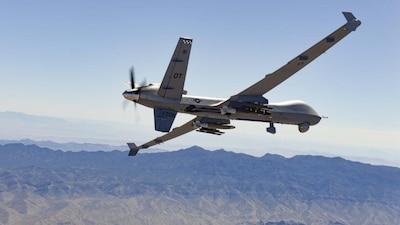
- •Cheap attack drones cost a fraction of traditional missiles but take hours to reach targets and carry much smaller payloads.
- •Drones offer a major advantage in numbers and cost, allowing militaries to overwhelm enemy air defences through sheer volume.
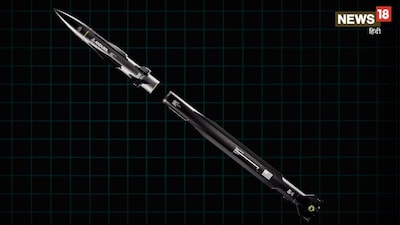
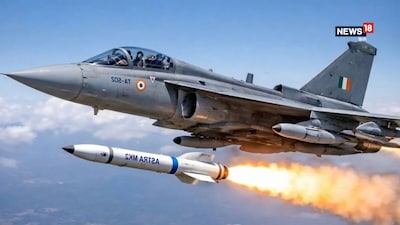
- •Missiles maintain clear advantages in speed and destructive power, reaching supersonic speeds and carrying warheads weighing hundreds of kilograms.
- •The Russia-Ukraine war demonstrates that both weapons are used together, with drones providing persistence and missiles delivering speed and heavy destruction.
- •India is actively investing in drone swarm technology, loitering munitions, and indigenous missile systems like BrahMos to build layered defense capabilities.
Key Questions Answered
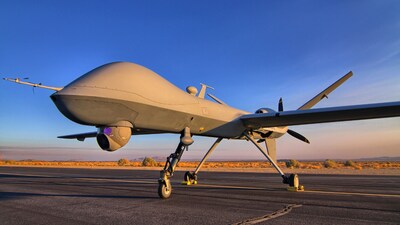
Drones are generally much cheaper to produce—ranging roughly from $20,000 to $50,000 for Shahed-type models—while advanced cruise and ballistic missiles can cost millions of dollars each. Although missiles offer superior speed, flight range, and considerably larger explosive payloads, drones provide the advantage of mass numbers, affordability, and flexibility to sustain prolonged attacks.
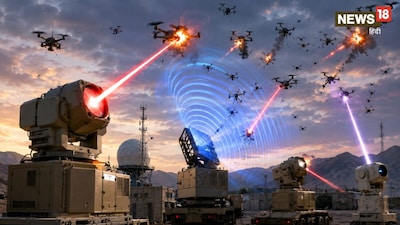
When dozens or hundreds of drones arrive over a short period, they flood radar trackers and force operators to prioritize targets under limited defensive supplies. This tactic exhausts expensive interceptor stockpiles, such as Patriot and THAAD missiles, draining Western and allied hardware through severe financial imbalances.
Electronic warfare serves as a primary countermeasure because many drones rely heavily on vulnerable radio communication links or satellite navigation to guide their flight path. Jamming these signals can cause drones to lose accuracy, though newer autonomous or camera-guided systems are being engineered to navigate independently without external signals.