Stories
From Scholarships to PMRF Fellowships: Key Developments in Education
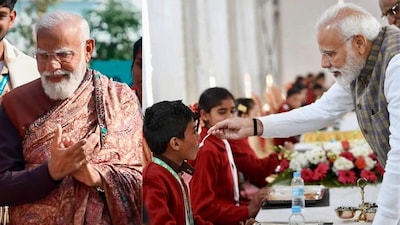
- •The National Education Policy 2020 introduced comprehensive structural reforms across school and higher education.
- •The PM SHRI scheme aims to develop over 14,500 government schools into model institutions with modern infrastructure.
- •The PM POSHAN initiative integrates child nutrition with education to improve school attendance and concentration.
- •In the financial year 2025-26, the central government provided approximately 1.09 crore scholarships for post-matric and higher education.
- •The PM-Vidyalaxmi scheme facilitates collateral-free education loans and interest subsidies for higher education aspirants.
Key Questions Answered
The National Education Policy 2020 emphasizes critical thinking, experiential and application-based learning, skill development, and multidisciplinary education rather than rote learning. It integrates early childhood education into the school framework and introduces higher education reforms such as the Academic Bank of Credits and multiple entry-exit options.
The PM-Vidyalaxmi scheme arranges collateral- and guarantor-free education loans for eligible students admitted to quality higher education institutions on merit. For families with an annual income up to ₹8 lakh, a 3 percent interest subsidy is available on loans up to ₹10 lakh. A full interest subsidy during the moratorium period is provided for family incomes up to ₹4.5 lakh, alongside a credit guarantee of up to 75 percent on loans up to ₹7.5 lakh.
PM-YASASVI is an umbrella scheme supporting OBC, EBC, and DNT students through pre-matric and post-matric scholarships, top-class education at school and college levels, and hostel assistance. Between 2014-15 and 2025-26, more than 1.069 crore beneficiaries received assistance, disbursing ₹15,555.53 crore.