Stories
Why Comparing Just EMI and Rent is a Costly Mistake for Homebuyers

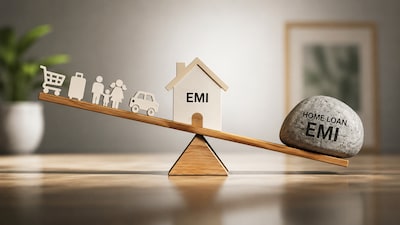
- •Comparing only monthly EMI to monthly rent ignores major ownership costs like down payments, registration expenses, maintenance, property taxes, and insurance.
- •The true financial decision requires comparing the total cost of owning the property against the cost of renting a similar home over the exact same period.
- •A substantial upfront down payment carries an opportunity cost, as that money cannot be simultaneously invested in alternative assets like mutual funds or fixed deposits.
- •Homeownership involves recurring monthly expenses beyond the loan payment, including maintenance, repairs, and society charges that tend to rise over time.
- •Renting offers flexibility and shields tenants from structural repair costs and property taxes, though rent payments also increase over time and build no equity.
Key Questions Answered
Comparing only a monthly EMI to rent leaves out critical upfront and recurring expenses such as the down payment, stamp duty, registration fees, maintenance, property taxes, insurance, and repairs. These extra costs can significantly increase the actual monthly and total financial outflow of owning a home.
When a large sum of money is used for a home down payment, that capital is locked up and can no longer be invested in alternative vehicles like mutual funds, fixed deposits, or bonds. This alternative use of money represents an opportunity cost that should be factored into the overall financial decision.
Affordability should be evaluated by checking whether the EMI and regular ownership expenses remain manageable after fully accounting for emergency savings, insurance, retirement contributions, and other financial goals. If a purchase leaves little room for savings or forces heavy reliance on future salary hikes, a lower-priced home or continued renting may be safer.