Stories
What Happens to Your EPF Money After Leaving Your Job?

- •Stopping EPF contributions after leaving a job does not mean your accumulated money is lost or disappears.
- •EPFO rules allow your EPF balance to continue earning interest until you reach 58 years of age, even without fresh contributions.
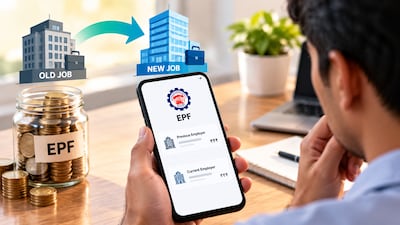
- •If you change jobs, you should transfer your old EPF balance to your current account using your UAN to consolidate retirement savings.
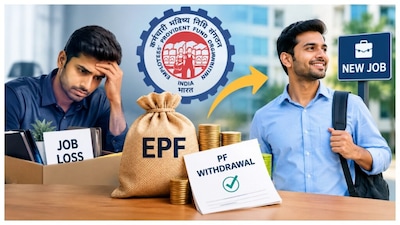
- •Individuals who stop working entirely can choose to withdraw their PF balance, though this impacts long-term compounding.
- •Regularly check your EPF passbook and ensure your KYC details and exit dates are properly updated to avoid issues.
Key Questions Answered
Your EPF balance does not disappear or vanish when salary contributions stop. The accumulated money remains with the EPFO and can generally continue to earn interest until the member reaches 58 years of age, even without fresh contributions.
When joining another EPF-covered employer, you should provide your existing UAN to the new employer and transfer your previous PF account to the current one. This keeps your retirement savings consolidated under one UAN, making it easier to track your balance and service history.
If you leave employment and do not join another EPF-covered job, you may be eligible to withdraw your PF balance subject to the applicable rules at that time. However, withdrawing and spending the money means it is no longer available to compound inside your provident fund for retirement.