Stories
Understanding Cash Deposits And Tax Rules: What You Need To Know
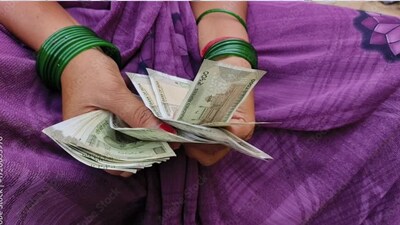
- •There is no blanket legal limit stopping you from depositing more than Rs 10 lakh in a savings account in a year, provided the money comes from a legitimate source.
- •The Rs 10 lakh figure acts as an important reporting threshold for banks under Statement of Financial Transactions rules, meaning aggregate cash deposits reaching this amount must be reported.
- •Crossing the Rs 10 lakh threshold does not automatically result in a tax notice or taxation, provided you have genuine explanations and documentation for the money's source.
- •The reporting threshold specifically applies to cash deposits and does not include electronic transfers like NEFT or RTGS, though tax liability still depends on the nature of the funds.
- •Section 269ST restricts receiving Rs 2 lakh or more in cash in a single day or for a single transaction, meaning you must comply with receipt rules alongside deposit rules.
Key Questions Answered
There is no blanket rule stopping you from depositing more than Rs 10 lakh, and it does not automatically mean you will face a tax penalty. However, under Statement of Financial Transactions (SFT) rules, banks must report cumulative cash deposits reaching Rs 10 lakh or more in a financial year. If the deposit does not match your reported income or tax records, the Income Tax Department may ask you to explain the source.
No, the Rs 10 lakh SFT reporting threshold applies specifically to cash deposits made into specified accounts rather than all incoming funds. Electronic transfers like NEFT or RTGS are handled differently, though you may still have tax liabilities depending on the reason you received the money.
Section 269ST generally restricts any person from receiving Rs 2 lakh or more in cash from another person in a single day, for a single transaction, or for events and occasions, subject to specific exceptions. This means you must consider whether receiving cash complied with applicable rules independently of the bank-reporting threshold.