Stories
Cashless Denied? Your Health Insurance Claim May Still Be Valid!
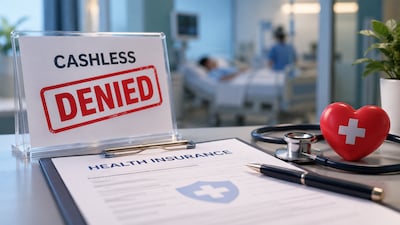
- •A denial of cashless treatment does not automatically mean your health insurance claim is rejected; you may still be eligible for reimbursement.
- •Cashless approval can be refused for various reasons, including insufficient information, policy conditions not met, or exceeding the sum insured.
- •Cashless facilities are tied to network hospitals; treatment at other eligible hospitals might still be claimable via reimbursement.
- •If cashless is denied, pay the hospital bill and then submit documents for reimbursement, but be aware that exclusions and limits may apply.
- •Always ask for the reason for cashless denial in writing and clarify with your insurer or TPA if additional information is needed.
Key Questions Answered
If a cashless facility is denied, ask the hospital and insurer for the reason in writing and check whether additional records are needed. You may still be able to pay the hospital and file for a reimbursement claim if the treatment is covered under your policy.
Under IRDAI's framework, insurers must decide on a cashless pre-authorisation request within one hour. For final cashless authorisation at discharge, the insurer must provide approval within three hours of receiving the hospital's request.
No, a cashless denial does not automatically mean your claim has been rejected. Insurers may refuse cashless approval due to missing information, exceeding sum insured limits, or non-network hospitals, but you can still seek reimbursement post-discharge subject to policy terms.