Stories
India, US Explore 'Forward MFN' Clause to Safeguard Tariff Gains in Trade Deal
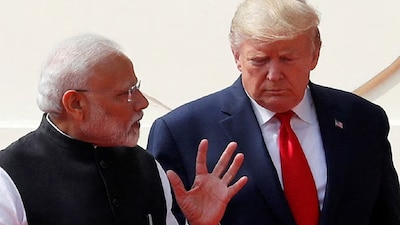
- •India and the US are discussing a "forward most-favoured-nation (MFN)" mechanism to protect India's tariff advantages in a proposed trade pact.
- •The mechanism aims to ensure negotiated tariff concessions are secure against future changes in the US tariff regime or better terms granted to other nations.
- •Commerce and Industry Minister Piyush Goyal is visiting the US for bilateral talks and the G20 trade ministers meeting to finalize an interim trade pact.
- •India seeks this provision to maintain a competitive edge for its exporters, especially in sectors like textiles, pharmaceuticals, and engineering goods, against rivals like Vietnam and China.
- •The proposed mechanism builds on a February 2026 safeguard allowing either country to modify commitments if agreed-upon tariffs change, but it does not guarantee against all future US tariff increases.
Key Questions Answered
India and the US are exploring a forward most-favoured-nation mechanism under their proposed trade pact to protect New Delhi's tariff advantage if Washington alters its duty structure or grants better terms to other nations. This provision aims to safeguard negotiated tariff concessions against future changes in the US tariff regime.
India is concerned about maintaining a competitive tariff position for its exporters against rival manufacturing countries like Vietnam, Bangladesh, and China. If another nation later receives a lower US tariff rate, New Delhi wants to ensure its key export sectors do not lose their competitive edge.
Commerce and industry minister Piyush Goyal is visiting the US from September 29 to October 5 to conduct bilateral talks and participate in the G20 trade ministers meeting. The visit seeks to advance the Bilateral Trade Agreement and finalise an interim deal based on the February framework.