Stories
How LTCG Tax Reintroduction Shifted Foreign Portfolio Inflows in India

- •Data shows foreign portfolio investors net sold shares worth Rs 1.43 lakh crore since the Centre reintroduced the Long Term Capital Gains tax in 2018.
- •In contrast, during the tax-exempt period between 2005 and 2018, FPIs net bought Indian equities worth Rs 7.4 lakh crore.
- •Market participants note that multiple taxes including LTCG, STT, and stamp duty impact the competitiveness of India's post-tax returns against other emerging markets.
- •Experts suggest that while reducing LTCG tax could boost near-term sentiment, sustained foreign inflows also depend on corporate earnings, valuations, and global trends.
Key Questions Answered
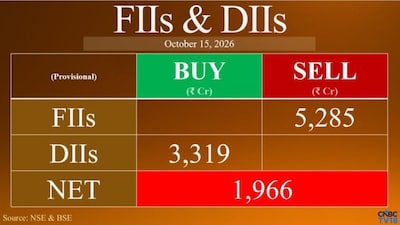
Since the Centre reintroduced the Long Term Capital Gains (LTCG) tax on listed equities in 2018, foreign portfolio investors (FPIs) have net sold shares worth Rs 1.43 lakh crore in Indian markets. In contrast, during the period from 2005 to 2018 when LTCG was exempt, FPIs bought shares worth Rs 7.4 lakh crore on a net basis.
The Centre issued the Income-tax (Amendment) Ordinance, 2026, which exempts foreign portfolio investors (FPIs) from paying tax on interest income and capital gains arising from investments in government securities. This retrospective exemption effective from April 1, 2026, aims to boost foreign participation in India's sovereign debt market and attract stable overseas capital.
Indian authorities, including officials from various ministries and the Securities and Exchange Board of India (Sebi), are holding high-level meetings with foreign portfolio investors (FPIs) to encourage foreign investment returns. These interactions focus on understanding how the compliance and regulatory framework for FPIs can be simplified to promote the ease of doing business in India.