Stories
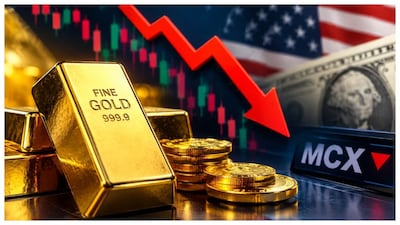
Gold Recovers While Silver Plummets: Why Silver Crashed Harder Than Gold

- •Silver prices have crashed by 50 percent from their record high of $121 per ounce to around $60 per ounce in 2026, while gold has slipped by only 25 percent from its peak.
- •Over the long term, silver has historically yielded higher profits, delivering a 167.71 percent return over the last five years compared to gold's 138.77 percent.
- •Industrial demand slump severely impacts silver, with solar panel manufacturing companies reducing usage and expected demand in the solar energy sector dropping by about 30 percent.
- •Unlike gold, which receives strong backing and consistent purchases from global central banks, no central bank holds silver in its foreign exchange reserves.
- •Silver's smaller market size and lower trading volume make it prone to sharp price drops from minor selling orders and aggressive speculation.
Key Questions Answered
Silver fell twice as much as gold because over 50% of its demand comes from industries, which suffered from global economic slowdowns, high interest rates, and reduced usage in solar panel manufacturing. Additionally, silver lacks central bank purchases, has a much smaller and more volatile trading market, and faced aggressive selling by speculators.
While gold has proven to be safer during recent short-term fluctuations, silver has emerged as the winner in long-term wealth creation. Over the past year, five years, and a 26-year period from 2000 to September 2026, silver has historically yielded higher overall profits and returns for investors.
JPMorgan Global Research reduced its average annual estimate for silver from $84 to $70 per ounce, and the Silver Institute expects a 10% drop in electronics sector demand. However, the silver market is projected to remain in a supply deficit for the sixth consecutive year in 2026.