Stories
GST Council to Consider Tax Relief on Farm Inputs and Seed Storage
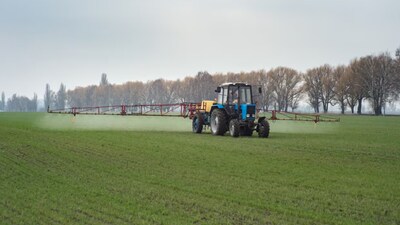
- •The GST Council is set to meet on October 8 to discuss lowering the tax burden on the agriculture sector by exempting seed storage and coffee-curing services from GST.
- •Activities like grading, treatment, and packing will no longer disqualify seeds from warehousing tax exemptions, helping reduce costs for farmers.
- •Psyllium seeds, commonly known as isabgol, may be placed in the nil-rate category whether fresh, chilled, frozen, or dried.
- •Tax rates on seaweed-based bio-stimulants registered under the Fertiliser Control Order 1985 are expected to be slashed from 18 percent to 5 percent.
- •These proposed measures aim to lower input costs, support crop growth, and provide better tax clarity for agriculture-related goods and services.
Key Questions Answered
The GST Council is considering lowering the tax burden on the agriculture sector by exempting seed storage and coffee-curing services from GST, placing psyllium (isabgol) seeds in the nil-rate category, and reducing the GST on seaweed-based bio-stimulants from 18 percent to 5 percent.
Activities like grading, treatment, and packing will no longer prevent seeds meant for sowing from qualifying for warehousing exemptions, which will reduce storage costs that are typically passed on to farmers.
The GST Council is expected to approve a reduced tax rate of 5 percent for all seaweed-based bio-stimulants registered under the Fertiliser Control Order 1985, down from the current 18 percent GST, to lower costs for products that improve crop growth and soil health.