Stories
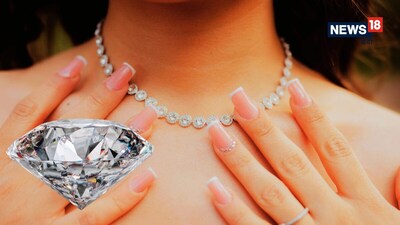
Diamond Prices Plummet to Two-Decade Low: Why Isn't Your Jewelry Cheaper?
- •Wholesale natural diamond prices are 30-40% below 2021 peaks due to weakened demand, inventory buildup, and competition from lab-grown diamonds.
- •De Beers' average rough diamond price fell 32% year-on-year to $105 per carat in H1 2026, with its price index down 16%.
- •Finished jewelry prices aren't dropping as much because the diamond is only part of the cost; elevated gold prices and manufacturing expenses offset diamond price reductions.
- •Demand for larger, higher-quality natural diamonds remains resilient, while smaller, lower-quality stones face pressure from synthetic lab-grown diamonds.
- •Lab-grown diamonds, with the same crystal structure as natural diamonds, are increasingly impacting the market, especially in lower-value categories, with China producing over 60% of the world's man-made diamonds.
Key Questions Answered
A finished piece of jewellery combines the value of stones with precious metals like gold or platinum, along with manufacturing and retail costs. In India, elevated domestic gold prices and separate charges for precious metals and manufacturing offset the drop in diamond costs, keeping final prices high.
Lab-grown diamonds have expanded rapidly due to unlimited manufacturing capacity, causing retail prices for synthetic stones to decline. This has created severe pricing pressure on smaller and lower-quality natural diamonds, whereas larger, higher-quality natural stones have remained resilient.
India's cut and polished diamond exports fell by 8.52 percent to $12.16 billion in FY26, following a 16.8 percent drop in FY25. The Gem Jewellery Export Promotion Council attributed this decline to global inventory corrections, subdued discretionary spending, and increasing competition from alternative luxury categories.