Stories
Berger Paints Expands to Counter Birla, JSW Challenge in $8.2 Billion Market
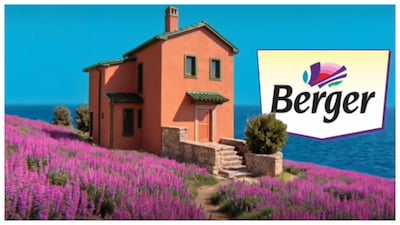
- •Berger Paints India Ltd., the second-largest paintmaker, is fortifying its business against new rivals like Birla Opus and JSW Dulux Ltd. in India's competitive $8.2 billion paint sector.
- •The company plans to strengthen its presence in weaker markets such as Mumbai, Pune, Chennai, and Bengaluru, and will launch a new line of luxury paints.
- •Berger aims to add up to 250 exclusive outlets annually, targeting 2,500 by March 2029, and is investing 20 billion rupees in new manufacturing facilities in West Bengal and Odisha by 2029-2030.
- •The firm is widening its distribution network and offering incentives to painters, builders, and architects to boost sales amidst a pricing war initiated by new entrants.
- •Despite competitive pressures and rising crude prices, Berger aims to maintain its 20% market share and anticipates an 8% volume growth for the full year, driven by festival season demand and infrastructure development.
Key Questions Answered
Berger Paints is fortifying its operations by strengthening teams in Mumbai, Pune, Chennai, and Bengaluru, launching a new line of luxury paints, and adding up to 250 exclusive outlets annually to reach 2,500 by March 2029. The company is also widening its distribution network, offering incentives to builders and architects, and investing 20 billion rupees to build manufacturing facilities in West Bengal and Odisha.
Billionaires Kumar Mangalam Birla and Sajjan Jindal have unleashed a pricing war to wrest business from established players like Berger Paints and sector leader Asian Paints. Their ventures, Birla Opus and JSW Dulux Ltd., are actively gaining ground and exerting pricing pressure that has crimped margins across the industry.
Berger Paints is 64.56% owned by UK Paints India Pvt., controlled by Kuldip Singh and Gurbachan Singh Dhingra, who acquired it in 1991 from Vijay Mallya. CEO Abhijit Roy expects the festival season through Diwali to lift full-year volume growth slightly to 8%, overcoming a slow start and higher raw material costs.