Stories
Crucial Safety Tips for Riding Your Bike Safely in Snow
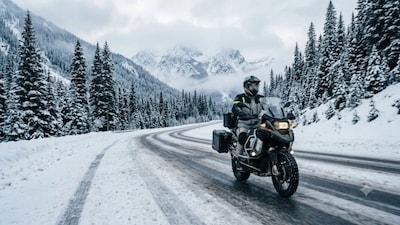
- •Choose the right winter or knobby tires and keep the tire pressure slightly lower for better grip.
- •Maintain a slow speed, avoid sudden acceleration, and use both brakes in a balanced manner.
- •Wear layered clothing, waterproof jackets, gloves, boots, and anti-fog helmets to protect against cold and visibility issues.
- •Pay extra attention to invisible black ice, bridges, shaded areas, and maintain a safe distance from other vehicles.
- •Check the weather forecast beforehand, keep emergency essentials like a power bank and tool kit, and inform someone about your travel itinerary.
Key Questions Answered
Riding in the snow requires choosing winter or knobby tires with slightly lower pressure, maintaining half your normal speed, wearing layered waterproof clothing and gear, staying vigilant of invisible black ice and road conditions, and planning ahead with a backup plan and essential supplies.
Normal road tires easily slip on snow, so winter or knobby tires are essential to provide better traction and grip. Keeping the tire pressure slightly lower increases the contact patch with the ground, forming the basis of control and reducing accident risks.
You should always ride at half your normal speed because high speeds on snow can be fatal. Avoid sudden acceleration, apply brakes gently in a balanced manner using both brakes, keep the bike upright when turning, and make only smooth, predictable movements.