Stories
Srikalahasti Temple: History, Significance and Rahu-Ketu Pooja Details
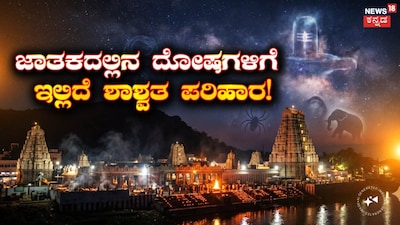
- •The famous Srikalahasti Temple in Andhra Pradesh gets its name from a spider, a snake, and an elephant that worshipped Lord Shiva and attained liberation.
- •It is one of the Panchabhuta Lingas representing Vayu Linga, where the continuous flame in the sanctum signifies the Lord of Wind.
- •The temple is widely renowned for performing the Rahu-Ketu Pooja to remedy astrological doshas, career issues, and marital delays.
- •Unlike other temples, Srikalahasti remains open during eclipses, and special Abhishekams are performed for the deities.
- •Devotees who perform the Rahu-Ketu Pooja must drop the silver idols into the temple collection box instead of taking them home.
Key Questions Answered
The name Srikalahasti originates from three animals—a spider (Sri) that wove a protective web, a snake (Kala) that brought gems, and an elephant (Hasti) that brought water and flowers to worship Lord Shiva. After battling each other, both the snake and elephant perished, and Lord Shiva granted them liberation.
Lord Shiva is worshipped as the 'Vayu Linga' (Air Linga), making the temple one of the sacred Panchabhuta Lingas. The continuous flame burning in the sanctum symbolizes the presence of the Lord of Wind.
Unlike most Hindu temples that close during an eclipse due to traditional purification customs, Srikalahasti remains open to perform special Abhishekams and Rahu-Ketu pujas because Lord Shiva controls the planets and Rahu-Ketu are believed to be unified with Him.