Stories
India Needs Homegrown AI Safety Framework, Not US Copy: Experts Urge Amid Trump Pact

- •Experts advocate for India to develop its own AI safety framework tailored to its unique languages, scale, and application-led ecosystem, rather than replicating the US voluntary pact.
- •The White House Accord on Super Intelligence, signed by Donald Trump and tech giants, commits companies to internal controls, oversight teams, external audits, and board-level supervision for AI safety.
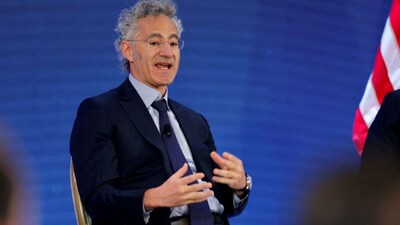
- •Nasscom Chairman Srikanth Velamakanni emphasizes that India should use a domestic commitment as a building block for global AI safety understanding, noting the US's self-policing approach contrasts with the EU's binding risk-based model and China's state-directed control.
- •Industry experts call for a comprehensive commitment involving all stakeholders to address risks like deepfakes and cyberattacks, with some advocating for a hybrid approach combining mandatory rules for critical sectors with voluntary standards for fast-moving technical areas.
- •Concerns include preventing catastrophic harms like large-scale cyberattacks and electoral interference, as well as individual harms such as deepfakes, fraud, and privacy breaches, with a focus on ensuring AI systems are safe and controllable as they gain autonomy.
Key Questions Answered
Experts argue that India should build an AI safety framework tailored to its vernacular languages, scale, and application-led ecosystem, rather than replicating the voluntary self-policing pact signed by US President Donald Trump and major tech firms. They emphasize that India needs a framework addressing domestic market conditions, civil rights, and unique cultural contexts.
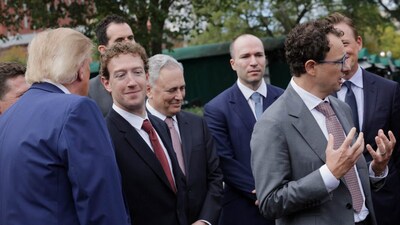
Signed by US President Donald Trump and tech executives from companies like Google, OpenAI, Meta, and xAI, the voluntary accord requires firms to implement internal controls, dedicated oversight teams, independent external audits, and board-level oversight while meeting regularly to set safety standards.
Indian industry leaders hold mixed views on self-regulation versus binding rules, with some advocating for a hybrid approach combining voluntary standards and mandatory mandates for high-risk sectors like banking and healthcare. Meanwhile, the Indian government is weighing a new legal framework since current IT laws predated the rapid rise of AI.