Stories
An Entire Village Was Built In The Mountains To Hide From Human Hunters
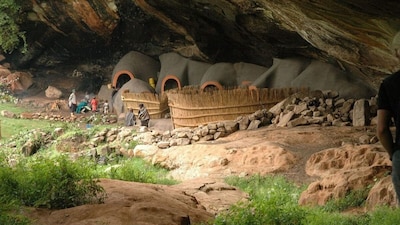
- •The Ha Kome Cave Village in Lesotho features mud houses built under massive cliffs about 200 years ago where descendants of the original tribes still live today.
- •In the early 19th century, a dark period known as Difaqane brought war, severe drought, and extreme famine, driving desperate people to cannibalism.
- •Christian missionary records estimate that thousands of people fell victim to organized cannibal gangs in Lesotho between 1822 and 1828.
- •Even King Moshoeshoe's grandfather was captured and killed by cannibals, yet the visionary king chose mercy over revenge by feeding and reforming them.
- •King Moshoeshoe's remarkable policy of forgiveness successfully eradicated cannibalism by the late 1830s, turning the caves into a global historical heritage.
Key Questions Answered
The Ha Kome Cave Village is a historical settlement featuring mud igloo-like houses built about 200 years ago beneath massive hanging cliffs. In the early 19th century, local tribes built these hidden homes to escape violent attacks by Zulu tribes and to hide from dangerous cannibals during the turbulent period known as Difaqane.
During the early 1820s, wars launched by powerful Zulu tribes destroyed agriculture and triggered a severe drought and famine. This extreme starvation drove helpless people to start killing and eating other humans, a practice that eventually turned into hunting gangs abducting vulnerable travelers.
When King Moshoeshoe's grandfather was killed and eaten by a cannibal gang, the king chose a path of mercy instead of revenge. He ordered his soldiers to capture the cannibals without harming them, hosted a grand feast for them, and gifted them land and cows to help them reintegrate into normal society.