Stories
SIR Exercise Petitions: Supreme Court Issues Notice To Election Commission
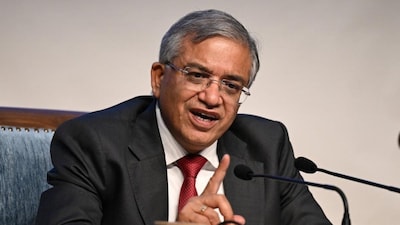
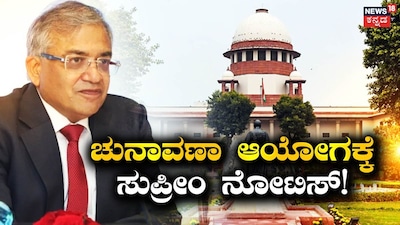
- •The Supreme Court has issued notices to the Election Commission regarding petitions challenging the Special Intensive Revision (SIR) exercise.
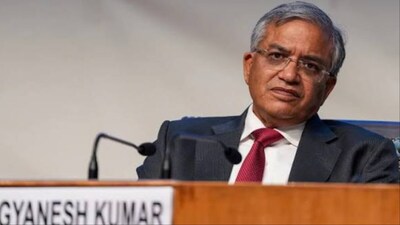
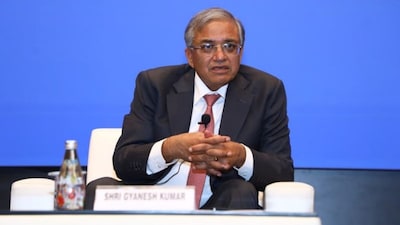
- •Allegations were raised that Chief Election Commissioner Gyanesh Kumar took unilateral decisions without the approval of other commissioners.
- •Petitions were filed demanding his removal from office and seeking an interim stay on decisions made by him.
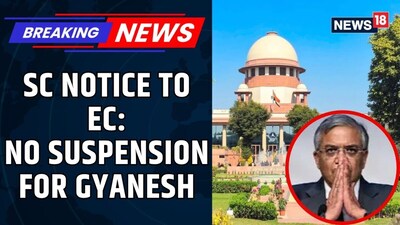
- •The Supreme Court declined to pass any interim orders or suspend the Chief Election Commissioner at this stage.
- •The court stated it would not hesitate to order the withdrawal of decisions if it is confirmed they lacked unanimous approval.
Key Questions Answered
The Supreme Court ordered notices to be sent to the Election Commission to respond to petitions concerning the Special Intensive Revision exercise and ruled that all related cases against Gyanesh Kumar should be clubbed and heard jointly. However, the bench rejected requests to immediately suspend or strip the Chief Election Commissioner of his powers, noting that no interim orders could be issued at this stage.
Petitions filed against Chief Election Commissioner Gyanesh Kumar alleged that he took unilateral decisions during the Special Intensive Revision exercise without securing the approval of the other two Election Commissioners, prompting demands for his removal and an interim stay. The court stated that if it is confirmed through the Commission's response that decisions were made without unanimous approval, it will order their withdrawal or reconsideration.
During the hearing, the Supreme Court judges noted that decisions made by the Election Commission are presumed to be in accordance with the law. Consequently, the court declined to pass any interim suspension orders against the Chief Election Commissioner, choosing instead to await a formal response from the Election Commission addressing the allegations of unilateral decision-making.