Stories
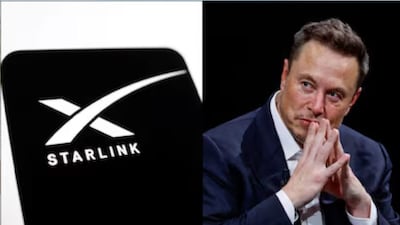
Is Elon Musk's Starlink a major threat to India's security

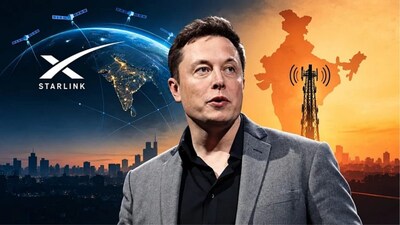
- •A report by the Takshashila Institution has highlighted serious security challenges and risks regarding permitting Elon Musk-owned Starlink in India.
- •Due to SpaceX contracts with the US government and defense, there is a risk that Washington could access confidential data or arbitrarily block services.
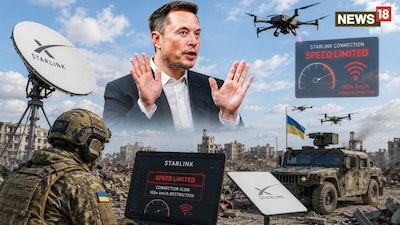
- •Incidents during the Ukraine war, where Musk controlled internet connections and refused service in Crimea based on his own decisions, shocked the world.
- •Musk's open declaration that Starlink is the backbone of the Ukrainian military serves as a warning to many nations relying on foreign tech.
- •Security experts warn that critical infrastructure coming under the dominance of a foreign private company poses a question mark over India's sovereignty.
Key Questions Answered
A report by the Takshashila Institution warns that permitting Elon Musk's Starlink in India raises national security and sovereignty concerns. Because Starlink is controlled by the US-based company SpaceX, there are risks that the Washington administration could obtain confidential data or arbitrarily block internet services in specific regions during a crisis, similar to past incidents in Ukraine.
The Indian government rejected Elon Musk's allegations that certain business groups were trying to block Starlink to maintain a monopolistic control, describing the claims as baseless and misconceived. The Centre stated that its satellite communication framework is fair and non-discriminatory, requiring Starlink and all other operators to undergo the same rigorous security assessment process before receiving spectrum.
Starlink updated its Global Privacy Policy to allow customer information—including location data, IP addresses, and communication details—to be used for AI and machine learning training, which could potentially pose data misuse or surveillance risks. Security experts and reports note that enforcing independent domestic rules remains challenging when a satellite network's ultimate operational control lies with a foreign private company.