Stories
CJP Leaders Get Conditional Bail: Will They Stay Away From Protests?
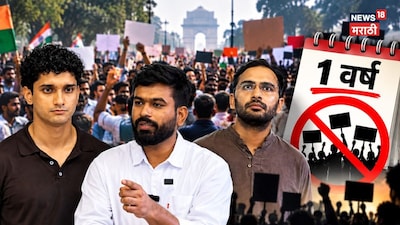
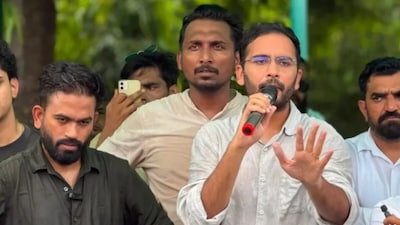
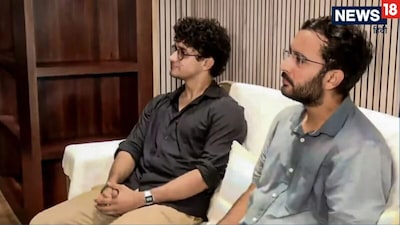
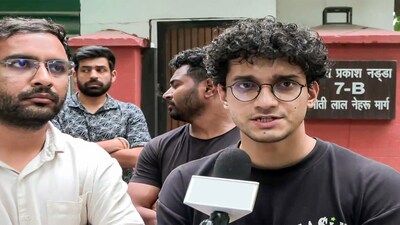
- •Cockroach Janata Party leaders Abhijit Dipke, Ashutosh Ranka and Sourav Das were released on conditional bail by the Special Executive Magistrate Court in Delhi Cantt.
- •Delhi Police detained the leaders on October 10 under Sections 126 and 170 of the Bharatiya Nyaya Sanhita before a planned protest at Jantar Mantar demanding the resignation of CEC Gyanesh Kumar.
- •Under Section 126, a one-year bond is executed requiring the accused to maintain peace and refrain from any activities that endanger public order.
- •Legal experts clarified that the leaders are not completely barred from protesting for a year, but they must use peaceful means and obtain prior administrative permission.
Key Questions Answered
Cockroach Janata Party (CJP) leaders Abhijit Dipke, Ashutosh Ranka, and Sourav Das were detained by Delhi Police on October 10 to prevent a planned protest at Jantar Mantar demanding the resignation of Chief Election Commissioner Gyanesh Kumar. The police took action under Sections 126 and 170 of the Bharatiya Nyaya Sanhita (BNS) because the protest lacked administrative permission and public order was suspected to be endangered.
The Special Executive Magistrate's Court granted conditional bail to the CJP leaders while barring them from visiting Jantar Mantar and executing a one-year bond. Under Section 126 of the BNS, they are required to undertake that they will not engage in any peace-disturbing or illegal activities that threaten law and order for a period of one year.
Experts clarify that the one-year bond does not entirely ban the leaders from participating in protests, provided they do so through peaceful and legal means. However, they must exercise utmost care to avoid endangering law and order and are required to secure legal administrative permission prior to holding any protests.