Stories
UBS Favors Two-Wheelers and Commercial Vehicles Over Passenger Cars Amid Margin Pressures
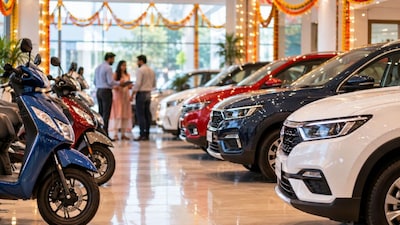
- •UBS India Research analyst Pramod Kumar prefers two-wheelers and commercial vehicles, keeping passenger vehicles as the least-preferred segment due to margin pressures and intense competition.
- •Commercial vehicle manufacturers offer resilient margins, strong cash flows, and potential for re-rating, while passenger vehicles face high capital expenditure and valuation pressures.
- •UBS favors two-wheeler companies focused on premiumisation, electric vehicles, and scooters, while monitoring the industry shift towards SUVs and electrification.
- •Passenger vehicle purchases are more sensitive to interest rates and discretionary household commitments compared to commercial and two-wheeler segments.
- •Retail sales remain strong with significant growth in recent months, but rising commodity prices and a high festive base could impact earnings growth and margins.
Key Questions Answered
UBS favors two-wheelers and commercial vehicles over passenger vehicles due to intense competition, capital expenditure, and valuation pressures in the passenger car market. In contrast, commercial vehicles offer resilient margins and strong cash flows, while two-wheelers benefit from premiumisation and electrification trends.
Passenger vehicle purchases are discretionary and highly sensitive to interest rate changes, often competing with home loans. Commercial vehicle demand depends more on freight activity and broader business environments, while two-wheeler demand is less sensitive due to typically high financing rates.
Retail sales have remained strong, with two-wheeler sales growing 21% and passenger vehicle sales increasing nearly 24% between April and September. However, the outlook for profit margins has weakened as rising input and commodity costs offset the benefits of higher volumes.