Stories
India Sees $60 Billion Foreign Investor Exodus Met By Strong Domestic Buying

- •Foreign portfolio investors have pulled over $60 billion from Indian equities since late 2024, marking one of the largest sell-offs in market history.
- •Domestic institutional investors have absorbed the foreign selling by purchasing more than $180 billion worth of shares, roughly three times the amount sold by FPIs.
- •The Nifty 50 has fallen only 14% since September 2024, showing much stronger resilience compared to past crises due to robust domestic support.
- •Heavy foreign selling has concentrated in financials and technology, while the Indian rupee depreciated by up to 7.1% this year amid broader macroeconomic headwinds.
Key Questions Answered
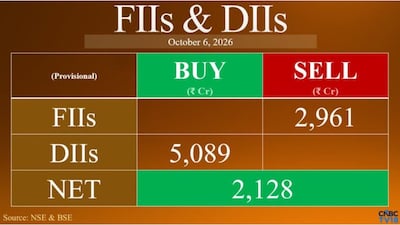
Foreign portfolio investors have pulled over $60 billion from Indian equities since late 2024. On Thursday alone, foreign investors sold $1.34 billion worth of shares, driven significantly by block deals in ITC where GQG Partners offloaded a 3% stake for about ₹9,400 crore.
Domestic institutional investors have stepped in to absorb the foreign selling, purchasing more than $180 billion worth of shares during the same period, which is roughly three times the amount sold by foreign portfolio investors.
The heavy selling by overseas investors has heavily weighed on the Indian currency, causing the rupee to depreciate by as much as 7.1% since the start of the year. This downward pressure has been further dented by elevated crude prices, higher global yields, and a stronger dollar.