Stories
Why Suitcases Have Small Wheels: Space, Maneuverability, and Design Choices Revealed
F
Firstpost•22-09-2026, 14:27
Why Suitcases Have Small Wheels: Space, Maneuverability, and Design Choices Revealed
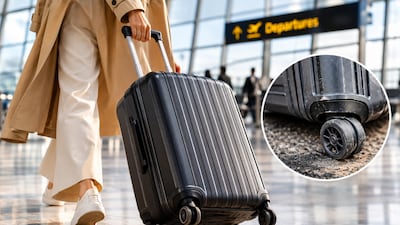
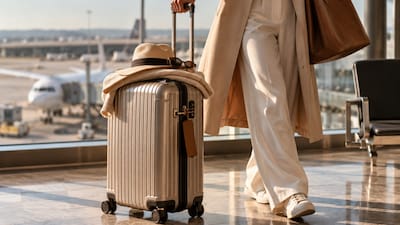
- •Suitcases primarily feature small wheels to maintain compactness, reduce weight, and maximize internal packing space, especially crucial for cabin luggage.
- •Larger wheels would necessitate bigger housings, increasing the suitcase's overall dimensions and weight, which is undesirable for most travel scenarios.
- •Small caster wheels enable 360-degree movement, making suitcases highly maneuverable in smooth indoor environments like airports and hotel corridors.
- •While larger wheels offer a mechanical advantage on rough surfaces, rolling over obstacles more easily, they are less practical for the typical smooth surfaces suitcases encounter.
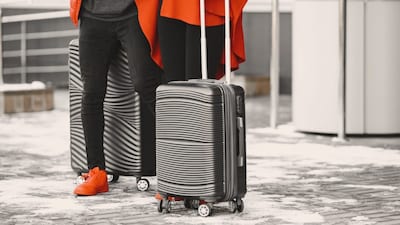
- •Two-wheel suitcases often have larger, recessed wheels, sacrificing some maneuverability for better performance on uneven terrain, highlighting a design trade-off.
Key Questions Answered
Small wheels keep suitcases compact, lightweight, and maximize the usable packing area inside the bag. They also enable 360-degree movement for smoother navigation in tight spaces.
Yes, larger wheels roll over cracks, stones, and uneven ground much more easily because obstacles are smaller relative to their radius. They require less force to navigate obstacles compared to smaller caster wheels.
Two-wheel suitcases generally feature larger wheels recessed into the body, and the bag is tilted and pulled behind the traveler. While this design sacrifices some indoor maneuverability, it offers better performance on rough surfaces.