Stories
What to Know Before Booking Your Indian Tiger Safari
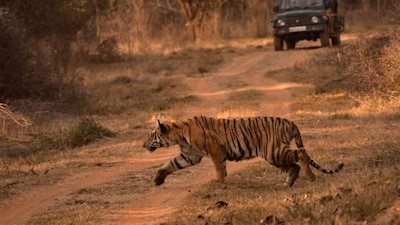
- •National parks across India reopened following monsoon closures with strict new enforcement measures prioritizing animal welfare over tourist convenience.
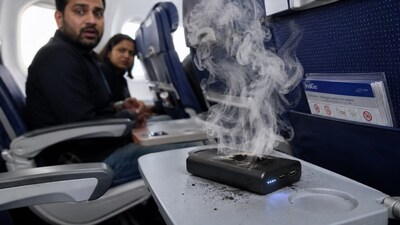
- •Mobile phones are strictly prohibited in core habitats to prevent wildlife stress and stop chaotic vehicle sprints caused by real-time location-tagging.
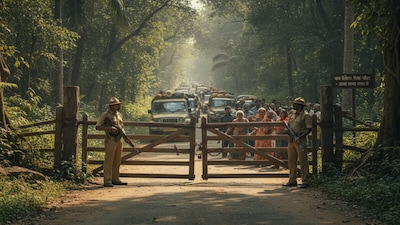
- •Automated software assigns fixed passenger seats linked to official ID documents to eliminate gate crowds and last-minute vehicle swaps.
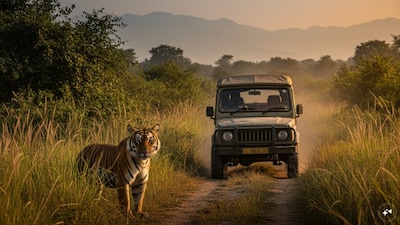
- •All safari vehicles feature mandatory GPS trackers monitored by control centres to prevent speeding, overcrowding, and off-trail driving.
- •Visitors must bring original physical photo IDs, use dedicated cameras instead of smartphones, and arrive early for smooth entry checks.
Key Questions Answered
Park authorities enforce a strict zero-tolerance mobile phone ban inside core habitats to protect wildlife from unnecessary stress and prevent chaotic vehicle sprints driven by real-time messaging. Visitors in reserves like Jim Corbett must deposit their phones at entry gates, while those in Ranthambore must store them in secure, lockable boxes for the entire drive. This restriction applies equally to drivers, naturalists, and guides.
State forest departments use online booking portals and automated software to generate fixed passenger lists linked directly to official identification documents. This digital system eliminates last-minute seat trading and vehicle swaps at park gates, keeping entrances calm and organized. Seat positions in shared vehicles are non-negotiable, and visitors requiring specific seating should book a full private Gypsy in advance.
Automated GPS trackers are installed on all registered safari vehicles to actively monitor real-time vehicle location, speed, and routes through park control centres. The system instantly flags violations if a vehicle leaves its assigned track, speeds, or stays past shift cutoff times. Drivers and guides breaking these zone rules face severe penalties, including immediate three-day suspensions or seasonal bans.