Stories
Four Madhya Pradesh Sites Join UNESCO Tentative List: From Varaha to Buddhist Murals
N
News18•30-09-2026, 12:46
Four Madhya Pradesh Sites Join UNESCO Tentative List: From Varaha to Buddhist Murals
- •Four historic sites in Madhya Pradesh—Bagh Caves, Ginnorgarh Fort, Bateshwar-Padavali-Kakarmath, and Udayagiri Caves—have been added to UNESCO's Tentative List of World Heritage Sites.
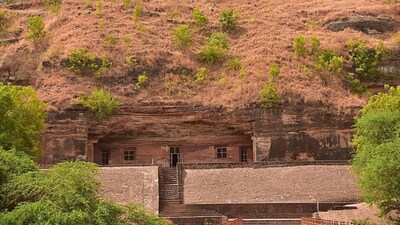
- •The Bagh Caves in Dhar are ancient rock-cut Buddhist monasteries known for their mural paintings, sharing a tradition with Ajanta but possessing a distinct visual character.
- •Ginnorgarh Fort, located within the Ratapani Tiger Reserve, offers a glimpse into military history and the changing political landscape, associated with Paramara and Gond rulers.
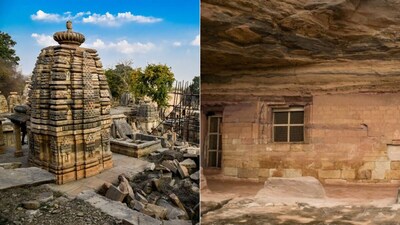
- •The Bateshwar-Padavali-Kakarmath temple group in Morena features nearly 200 sandstone shrines from the 8th to 11th centuries, showcasing early Nagara style architecture and a story of destruction and restoration.
- •Udayagiri Caves in Vidisha, dating from the 4th and 5th centuries CE, are significant for early Hindu rock-cut architecture, including a monumental depiction of Lord Vishnu's Varaha avatar and valuable Brahmi inscriptions.
Key Questions Answered
The four newly added Madhya Pradesh sites are the Bagh Caves in Dhar, Ginnorgarh Fort in the Ratapani region, the Bateshwar-Padavali-Kakarmath temple group in Morena, and the Udayagiri Caves in Vidisha.
Carved during the 4th and 5th centuries CE under Gupta patronage, the Udayagiri Caves feature 20 rock-cut sanctuaries and sculptures, including a monumental relief of Lord Vishnu in his Varaha avatar, alongside valuable Brahmi inscriptions.
The Bateshwar temple group is associated with the Gurjara-Pratihara dynasty, which played a vital role in shaping early Nagara-style temple architecture across northern and central India between the 8th and 11th centuries.