Stories
8 Fascinating Ways India Celebrates Dussehra From Bastar To Mysuru
- •Bastar in Chhattisgarh hosts a 75-day tribal celebration centred on Goddess Danteshwari instead of the traditional Ravana Dahan.
- •Kullu Dussehra in Himachal Pradesh begins on Vijayadashami with hundreds of village deities gathering in decorated palanquins.
- •Maharashtra observes a cherished custom of exchanging Apta tree leaves as symbolic gold to represent prosperity and goodwill.
- •Kerala marks Vijayadashami with Vidyarambham, a sacred ceremony that introduces young children to their first formal learning steps.
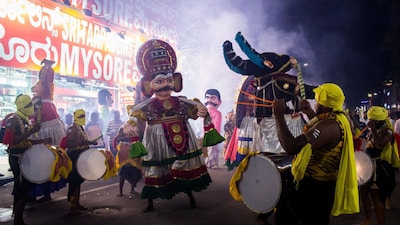
- •Mysuru Dasara showcases royal pageantry highlighted by the grand Jamboo Savari procession featuring Goddess Chamundeshwari.
Key Questions Answered
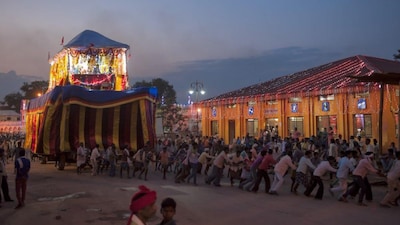
Bastar’s Dussehra breaks away from the familiar Ramayana narrative by focusing on Goddess Danteshwari and regional tribal traditions rather than Ravana Dahan. Lasting around 75 days, it is one of India's longest festive celebrations, featuring local deity gatherings, chariot processions, and community rituals.
Unlike many celebrations that conclude on Vijayadashami, Kullu Dussehra actually begins on that day and continues for around a week. Hundreds of village deities carried in decorated palanquins gather at Dhalpur Maidan to pay homage to Lord Raghunath amid traditional music and community gatherings.
The Jamboo Savari is the grand highlight of Mysuru Dasara, featuring an idol of Goddess Chamundeshwari placed in a golden howdah atop a decorated elephant. Accompanied by performers and tableaux, this procession reflects the city's royal heritage and devotion to the goddess.