Stories
Screen Time & Eating: Doctors Reveal Hidden Link Parents Miss
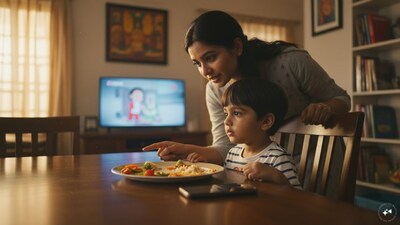
- •Screen time distracts children from hunger and fullness cues, leading to overeating, according to pediatricians Dr. Aditi Sachdeva and Dr. Himani Narula Khanna.
- •Screens can become associated with snacking, creating a behavioral habit where children expect food when using devices, even if not hungry.
- •Beyond quantity, screen time influences the type of food consumed, often leading to high-sugar, high-fat snacks due to convenience and exposure to food advertising.
- •Research indicates food marketing on screens, including social media and advergames, can significantly impact children's food choices and intake.
- •Experts advise parents to separate eating from screens, establish screen-free mealtimes, and model mindful eating to help children develop a healthy relationship with food.
Key Questions Answered
When children eat while watching television, using a tablet, or scrolling on a phone, they focus on the screen instead of listening to their body's natural hunger and fullness signals, causing them to consume more food without realizing they are satisfied. Distracted eating can lead them to eat more quickly, take larger bites, and continue eating even after they are full.
Over time, screens can become closely associated with snacks, especially during after-school hours or entertainment routines. This creates a habit where children expect food every time they use a device, even if they are not actually hungry.
Experts suggest separating eating from screens by establishing a household rule that food should be eaten at the dining table without distractions. Parents should also monitor the type of programs children watch to limit exposure to food marketing and set a good example by practicing screen-free mealtimes themselves.