Stories
Why Couples Are Embracing Food Divorces To Save Their Relationships
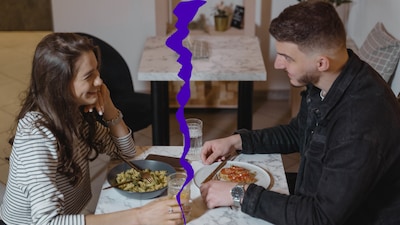
- •A food divorce involves couples stopping the expectation of sharing every meal when their dietary preferences differ significantly.
- •The trend eliminates daily dinnertime negotiations and frustration over conflicting choices like spicy takeout versus clean eating.
- •Couples can still maintain their relationship and share quality time together while independently managing their own groceries and cooking routines.
- •While separating meals removes daily friction, experts warn that too much independence can potentially lead to emotional distance if shared routines vanish entirely.
Key Questions Answered
A food divorce is an arrangement where couples stop forcing shared groceries, cooking, and meals when their food preferences or schedules are too far apart, allowing each person to handle their own food while keeping the relationship intact and removing daily mealtime friction.
Couples are opting for separate meals due to differing taste preferences, specific dietary needs, lifestyle changes, food allergies, or conflicting work schedules that make cooking and eating together a source of daily negotiation and resentment.
Yes, if separating meals leads to fewer conversations, less quality time together, and fewer shared routines, relationship experts warn that it can gradually create emotional distance and make partners function more like roommates.